
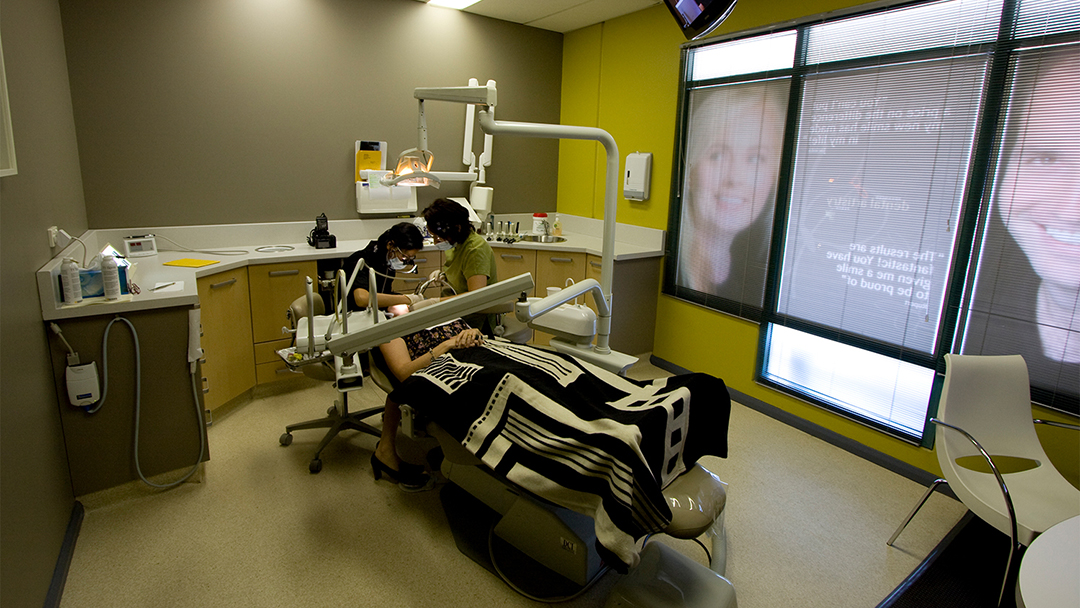

Cosmetic Dentistry in Perth: A Guide to Your Options
For many people, the appearance of their smile matters as much as its health. Cosmetic dentistry brings together a range of dental procedures designed to improve the appearance of the teeth, gums and overall smile. At our dental practice in Mosman Park, Perth, we offer a variety of cosmetic dental options to suit different aesthetic goals and clinical needs. This guide provides a general overview of the cosmetic dental treatments commonly available in Perth, what each involves, the types of concerns they may help address, and some of the considerations and risks involved. As always, suitability depends on an individual clinical assessment, and outcomes vary from person to person. What Is Cosmetic Dentistry? Cosmetic dentistry refers to dental work that primarily focuses on improving the visual appearance of the teeth and smile, though many treatments also carry functional benefits. Unlike purely restorative dentistry — which focuses on repairing damage or disease — cosmetic dentistry is often elective, chosen by patients who wish to refine or enhance the look of their smile. In Australia, cosmetic dental treatments are provided by registered dental practitioners. It is important that any cosmetic dental work is preceded by a thorough examination to ensure there are no underlying health issues that need to be addressed first. Teeth Whitening Teeth whitening is one of the most commonly sought cosmetic dental treatments in Perth. It uses a peroxide-based bleaching agent to lighten the colour of tooth enamel, helping to reduce staining caused by food, beverages, tobacco or natural ageing. There are two main options: in-chair whitening, which is performed at the dental practice and typically takes around...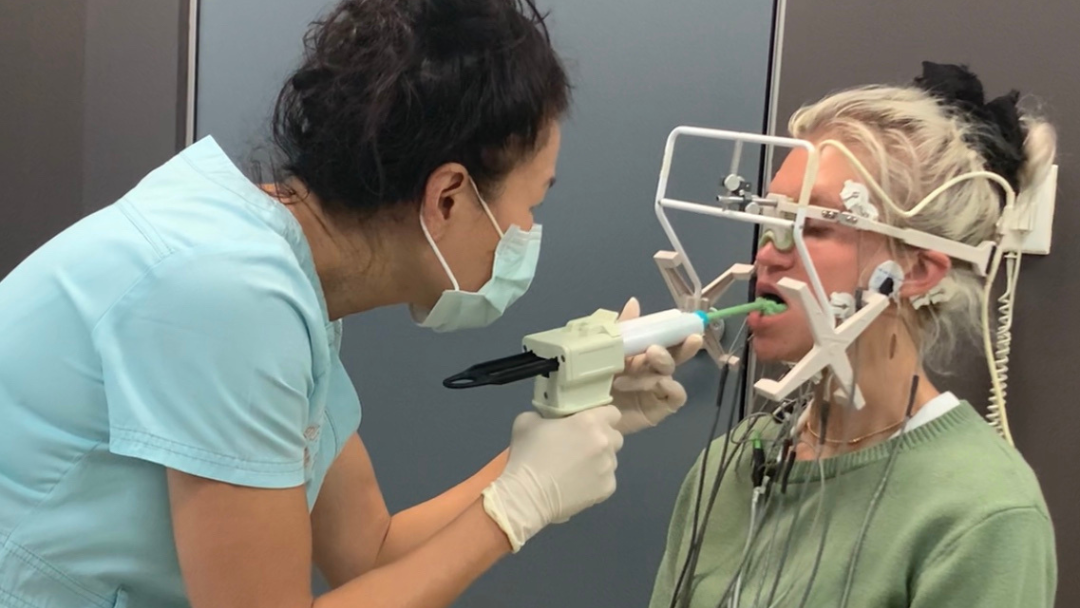
Could Your Jaw Be Contributing to Headaches, Neck Pain or Ear Symptoms?
Headaches, neck discomfort, ringing in the ears and a blocked-ear sensation can have many possible causes. In some people, these symptoms occur alongside pain or dysfunction involving the jaw joints and chewing muscles. These conditions are collectively known as temporomandibular disorders, or TMD. Having headaches or tinnitus does not necessarily mean that you have TMD. A dental assessment may be appropriate when these symptoms occur with jaw pain, restricted movement, clenching, grinding or discomfort when chewing. What is TMD? The temporomandibular joints connect the lower jaw to the skull and allow you to speak, chew and yawn. TMD is an umbrella term for several conditions affecting: The jaw joints The chewing muscles Structures associated with jaw movement A combination of muscular and joint factors TMD is not always caused by the way the teeth meet. It is generally considered multifactorial, meaning several physical, behavioural and psychosocial factors may contribute. In some cases, no single cause can be identified. What symptoms can occur with TMD? Symptoms associated with TMD may include: Pain or tenderness around the jaw Discomfort when chewing or yawning Restricted mouth opening Jaw locking Clicking, popping or grating sounds Facial or temple pain Headaches, particularly around the temples Clenching or grinding A feeling of tiredness in the chewing muscles Pain extending towards the ear or neck Some people with TMD also report tinnitus, ear discomfort, dizziness or a blocked-ear sensation. However, these symptoms can arise from many non-dental conditions and should not automatically be attributed to the jaw. Clicking without pain or restricted movement is common and does not always require treatment. What may contribute to TMD?...
Cosmetic Dental Treatments Perth: Options and Costs
Cosmetic dental treatment includes a range of procedures intended to change aspects of the teeth, gums or overall smile. At Smile Design Studio in Mosman Park, Perth, treatment planning begins with a discussion of your concerns and an assessment of your oral health. Depending on your circumstances, options may include teeth whitening, veneers, composite bonding, crowns, clear aligners, gum contouring or dental implants. Not every treatment is appropriate for every patient. The potential benefits, limitations, costs and risks should be considered before deciding whether to proceed. What is cosmetic dentistry? Cosmetic dentistry is a general description for dental care primarily intended to alter dental appearance. It is not a recognised dental specialty in Australia. Some procedures may also have restorative or functional purposes, but cosmetic treatment is often elective. Treatment may involve changing the colour, shape, position or proportions of teeth or gums. Before cosmetic treatment, a registered dental practitioner should assess: Your teeth and existing restorations Your gum and periodontal health Your bite Tooth wear, cracks or decay Your dental and medical history Your treatment goals Your ability to maintain the proposed result Any active disease or urgent dental concern may need to be managed before elective cosmetic treatment is considered. Teeth whitening Teeth whitening uses a bleaching agent to lighten the appearance of natural teeth. It may reduce the appearance of some stains associated with food, drinks, tobacco use or ageing. Results vary according to the type of discolouration, the starting shade and other individual factors. In-chair whitening Whitening gel is applied at the dental practice and monitored by the dental team. The appointment time and procedure...
Porcelain Veneers Perth: Cost, Lifespan and Risks
People considering porcelain veneers commonly ask three questions: How much do porcelain veneers cost? How long might they last? Will preparing the teeth cause permanent damage? These are important questions. Porcelain veneers can involve irreversible changes to natural teeth, and the restorations will probably require maintenance or replacement during a patient’s lifetime. Dr Vicky Ho has worked with porcelain veneers in Perth for more than 20 years. Materials and techniques have changed considerably during that time, but no single treatment, material or technique is appropriate for every patient. This guide explains the potential costs, lifespan, benefits, limitations and risks of porcelain veneers. A clinical assessment is required before individual advice can be provided. What are porcelain veneers? A porcelain veneer is a thin ceramic restoration bonded to the visible surface of a tooth. Depending on the circumstances, veneers may be considered to change aspects of: Tooth colour Tooth shape or proportion Worn or chipped edges Minor spaces between teeth Selected alignment irregularities Discolouration that has not responded adequately to whitening Veneers cannot address every cosmetic or functional concern. Alternatives may include no treatment, whitening, composite bonding, orthodontics or crowns. How are veneers different from crowns? A veneer generally covers the front surface and sometimes part of the biting edge of a tooth. A crown covers most or all of the visible portion of a tooth above the gumline. A veneer may involve less tooth preparation than a crown, but this depends on the position and condition of the tooth and the proposed result. Crowns may be more appropriate when a tooth has extensive damage, a large existing restoration or...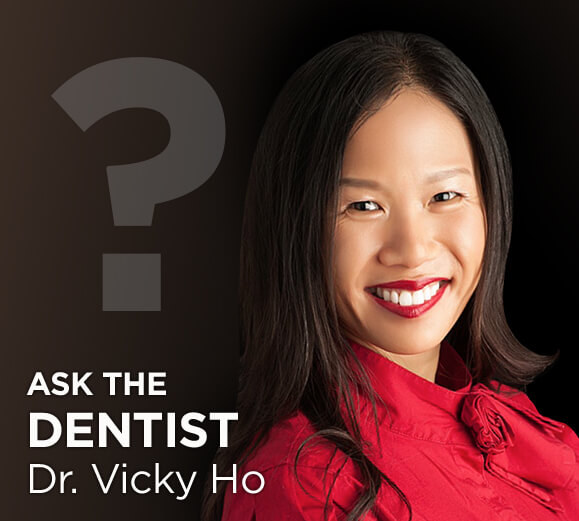
Dr Vicky Ho will answer any questions you may have about your dental health and care.
Associations & Accreditations
