All-on-4 dental implant treatment is one option for replacing a complete upper or lower arch of teeth. It generally involves placing four implants in the jawbone to support a fixed full-arch dental bridge.
The treatment may be considered by people who have lost all their teeth, wear a complete denture or have remaining teeth with a poor prognosis. However, removing teeth is irreversible, and teeth that can reasonably be maintained should not automatically be extracted for implant treatment.
All-on-4 treatment involves surgery, is not suitable for everyone and requires long-term professional and at-home maintenance.
What are All-on-4 dental implants?
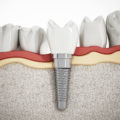
“All-on-4” describes a treatment concept in which a full arch of replacement teeth is supported by four dental implants.
The treatment has two main components:
- Dental implants surgically placed into the jawbone
- A connected full-arch bridge secured to the implants
The bridge does not usually consist of an individual implant and crown for every missing tooth. Instead, multiple replacement teeth are joined together as one prosthesis supported by the implants.
Depending on the clinical circumstances, a dentist may recommend four implants, more than four implants or a different type of treatment. The number and position of implants should be based on the available bone, anatomy, bite forces and planned restoration rather than assuming four implants will always be appropriate.
What are the potential benefits?
A fixed replacement for a complete arch
The bridge is generally fixed to the implants and is not removed by the patient each night. A dental professional can remove it when maintenance, repair or clinical access is required.
Some people prefer a fixed bridge because it may feel more stable than a conventional removable denture. However, “fixed” does not mean permanent or maintenance-free.
Reduced movement compared with conventional dentures
A well-designed implant-supported bridge is anchored to dental implants rather than relying primarily on the gums for support.
This may reduce the movement sometimes experienced with a removable complete denture. Individual comfort and adaptation still vary, and some people may notice initial changes to speech, chewing or the sensation of the bridge.
Possible improvement in chewing function
A fixed full-arch bridge may improve chewing stability for selected patients. Nevertheless, implant-supported teeth do not have the same sensory feedback as natural teeth, and chewing ability is not identical for everyone.
Patients may need to follow a soft diet during initial healing. Even after healing, biting ice, hard sweets, bones or other very hard objects can damage the bridge or its components.
No treatment can guarantee that every food can be eaten without restriction.
Fewer implants than replacing every tooth separately
All-on-4 treatment uses a connected bridge, so an implant is not required for each replacement tooth.
Using strategically positioned implants may provide support for the full arch while reducing the number of surgical sites. This does not mean that four implants are sufficient in every case.
May reduce the need for bone grafting in selected cases
The rear implants may sometimes be angled to use available bone and avoid particular anatomical structures.
This technique may reduce the need for bone grafting in some patients, but it cannot eliminate that need in every case. Bone grafting, sinus procedures or an alternative implant arrangement may still be required.
Support from implants rather than only the gums
Dental implants transfer forces into the surrounding jawbone. This may help maintain bone immediately around stable implants.
Implants do not prevent every form of jawbone change. Bone loss can still occur because of infection, excessive force, implant failure or natural remodelling after teeth are removed.
All-on-4 treatment should not be advertised as guaranteeing the preservation of facial appearance.
Can replacement teeth be fitted on the same day?
A provisional full-arch bridge may sometimes be attached shortly after implant placement. This is commonly called immediate loading or “teeth in a day.”
Immediate loading is only appropriate when the implants achieve sufficient initial stability and other clinical requirements are met. It cannot be confirmed solely from advertising or an initial enquiry.
The first bridge is often provisional. It may need to be adjusted during healing and replaced by a definitive bridge after the implants and tissues have stabilised.
If adequate implant stability is not achieved, the implants may need to heal before a fixed bridge is attached. A removable temporary prosthesis may be required during this period.
Who may be considered for All-on-4 treatment?
Assessment may be appropriate for someone who:
- Has lost all teeth in one or both jaws
- Uses a complete denture and is considering other options
- Has multiple remaining teeth with a poor prognosis
- Has sufficient bone in suitable locations
- Is medically able to undergo implant surgery
- Is willing and able to maintain the bridge and implants
- Understands the risks, limitations, costs and alternatives
Age alone does not determine suitability. General health, medications, smoking, gum health, bone volume, manual dexterity and maintenance ability may be more important.
What does an assessment involve?
Planning may include:
- Review of your medical and dental history
- Examination of the teeth, gums, jaws and bite
- Assessment of any remaining teeth
- Dental photographs
- X-rays and a three-dimensional scan where indicated
- Evaluation of available bone and anatomical structures
- Discussion of your expectations and preferences
- Consideration of alternative treatments
- A proposed treatment sequence
- An itemised quotation
- Discussion of maintenance and likely future costs
Further consultation with a dental specialist or medical practitioner may be appropriate in some cases.
Factors that may affect suitability
Implant treatment may require modification, additional preparation or reconsideration when there is:
- Active gum disease
- Untreated tooth decay or infection
- Insufficient bone
- Poorly controlled diabetes
- Smoking or vaping
- A medical condition affecting healing
- Medication that affects bone or immune response
- Previous radiotherapy involving the jaws
- Heavy grinding or clenching
- Difficulty maintaining oral hygiene
- Unrealistic expectations
Having one of these factors does not always exclude treatment, but it should be assessed before a recommendation is made.
What are the risks?
All-on-4 treatment involves implant surgery and extensive restorative treatment. Possible risks and complications include:
- Pain, swelling and bruising
- Bleeding
- Infection
- Delayed healing
- Failure of an implant to integrate with the bone
- Implant loss
- Injury to neighbouring teeth or structures
- Altered or reduced sensation from nerve injury
- Sinus or nasal complications in the upper jaw
- Gum recession or changes in the soft tissues
- Bone loss around implants
- Difficulty cleaning beneath the bridge
- Changes to speech or the bite
- Food becoming trapped beneath the bridge
- Chipping or fracture of replacement teeth
- Fracture of the bridge framework
- Loosening or fracture of screws
- The need for further surgery
- Repair or replacement of the bridge
If one implant fails, the effect on the bridge and treatment plan depends on its location, the remaining support and the cause of failure.
How are All-on-4 implant bridges cleaned?
Although the replacement teeth cannot decay, plaque can collect around the implants and beneath the bridge. This can cause inflammation and progressive loss of supporting bone.
Daily care may include:
- Brushing the bridge and gumline twice daily
- Cleaning underneath the bridge
- Using floss threaders or implant-specific floss
- Using appropriately sized interdental brushes
- Using a water flosser if recommended
- Cleaning the tongue and other oral tissues
The most appropriate aids depend on the bridge design and your dexterity. The dental team should demonstrate how to clean the restoration before and after it is fitted.
Professional implant maintenance is also required at an interval based on your individual risk.
Will the bridge last permanently?
Implants and full-arch bridges have no guaranteed lifespan.
The implants, screws, framework and replacement teeth are separate components that can experience different problems over time. The bridge may require professional cleaning, adjustment, relining, screw replacement, repair or complete replacement.
Factors affecting longevity include:
- Oral hygiene
- Gum and bone health
- Smoking
- General health
- Grinding and clenching
- Bite forces
- Bridge materials and design
- Attendance at maintenance appointments
- Accidental damage
- Changes in the mouth over time
Patients should consider both the initial treatment fee and the likely cost of future maintenance.
Alternatives to All-on-4 treatment
Depending on your circumstances, alternatives may include:
- Maintaining and restoring suitable natural teeth
- A conventional complete denture
- An implant-retained removable overdenture
- A fixed bridge supported by more than four implants
- A staged implant approach
- Bone grafting followed by a different implant arrangement
- Choosing not to proceed and monitoring the situation
A removable implant overdenture may be easier to clean and less costly than a fixed full-arch bridge for some patients. A conventional denture avoids implant surgery but may provide different levels of stability and chewing function.
No option is automatically best for everyone.
Questions to ask before proceeding
Consider asking:
- Can any of my remaining teeth reasonably be maintained?
- Why are four implants being recommended?
- Would more than four implants offer an advantage in my case?
- Will I need bone grafting?
- Is immediate loading suitable, or will this be decided during surgery?
- Will the first bridge be provisional?
- What materials will be used for the provisional and final bridges?
- Who will perform the surgery and restorative treatment?
- What are the main risks in my circumstances?
- How will I clean beneath the bridge?
- What ongoing reviews and professional maintenance will I need?
- Which repairs and replacements are included in the quotation?
- What are the alternatives if an implant fails?
- Would a second opinion be appropriate?
You should receive enough information and time to make a considered decision before consenting to treatment.
Discuss full-arch implant options in Perth
If you have extensive tooth loss or wear a complete denture, an individual assessment can help determine whether a fixed full-arch bridge, implant overdenture, conventional denture or another option may be appropriate.
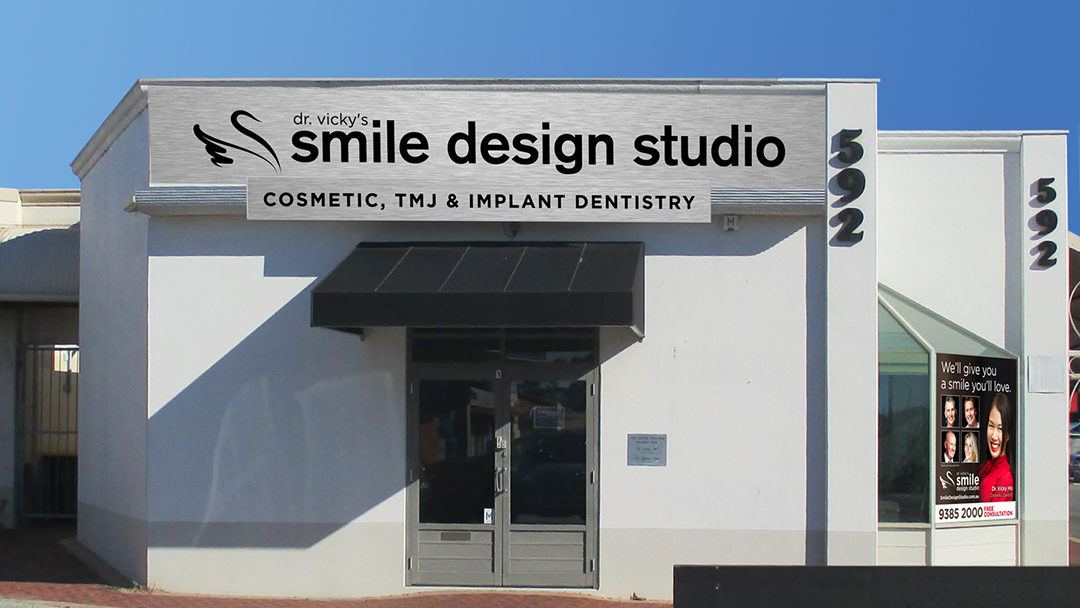
Contact Smile Design Studio in Mosman Park, Perth, on (08) 9468 3322 or request an appointment online.
Dental implant treatment is surgical and carries risks. Suitability, healing, function, appearance, treatment time and longevity vary between patients. Consider seeking a second opinion from an appropriately qualified dental practitioner before proceeding with extensive or invasive treatment.