
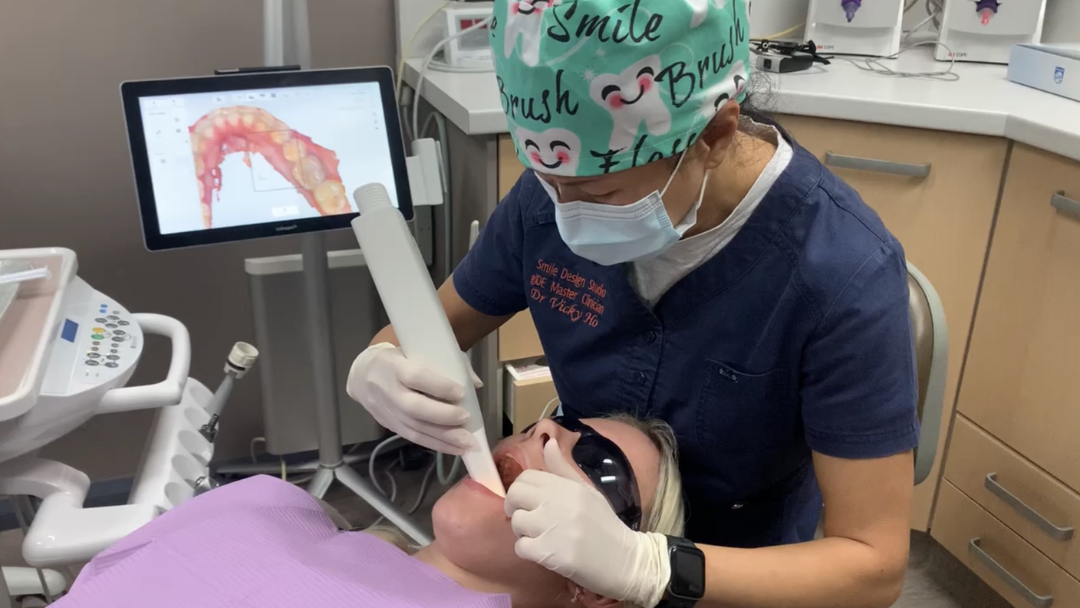
Am I Too Old For Dental Implants? Dental Implants For Seniors Guide
Are you a senior considering dental implants? If so, you may have some questions about the feasibility and safety of such a procedure. You’re not alone; many older adults are asking themselves “Am I too old for dental implants?” Fortunately, with advances in technology and medical care, seniors can now enjoy the benefits of dental implants safely and effectively. In this guide, we will discuss why age is no longer an obstacle to getting dental implants, their potential risks and benefits, as well as other important factors to consider when deciding if they’re right for you. Dental implants are designed to replace missing teeth or stabilize dentures that don’t fit securely. They provide a strong foundation for natural-looking artificial teeth that look just like real ones. As people get older, however, it’s common for them to experience bone loss due to age-related health issues such as osteoporosis or gum disease. This can make implant placement more challenging because the jawbone must be strong enough to support the implant post. Despite these challenges, it is possible for seniors over 70 years of age to receive implants successfully with careful planning and monitoring from their dentist or oral surgeon. By understanding how age affects your eligibility for dental implant surgery and being aware of any potential risks associated with the procedure, you can make an informed decision on whether or not dental implants are right for you. The information contained in this article will help equip you with knowledge needed to discuss your options with your healthcare provider and decide if dental implants are an appropriate solution for restoring your smile....
Are Dental Implants Painful?
What would you do if you were faced with the decision of living in pain or having a dental implant? For many people, it’s an impossible choice – either discomfort now or greater discomfort later. But what if we told you that getting a dental implant doesn’t have to be so unpleasant after all? We understand how important this procedure is and want to let you know that there are measures available to make sure your experience with implants isn’t as painful as you might think. In this article, we’ll explore whether or not dental implants are actually painful. When considering a major medical procedure like a dental implant, fear and worry can easily creep in. It’s natural to ask questions such as: How long will the healing process take? Will I feel any pain during the surgery? Is this really going to help me in the long run? Despite these worries, one thing is for certain – many individuals who get dental implants find them incredibly worthwhile investments into their oral health. So don’t let anxiety stop you from considering something that could potentially improve your quality of life! By exploring why some may feel apprehensive about getting a dental implant and discussing various techniques used by dentists to minimize pain before, during and after the procedure, this article hopes to provide readers with the facts they need to make informed decisions regarding their oral health care. Ready to learn more about whether or not dental implants are truly painful experiences? Read on! Pain Perception For Dental Implants Pain is a subjective experience, so the level of pain...
Teeth Are Crowding? Here’s What Orthodontic Treatment Can Do
Do you find yourself hiding your smile in photos because of the overcrowding of your teeth? Are you tired of feeling embarrassed by how your mouth looks and feel like there’s nothing that can be done about it? Well, if so then orthodontic treatment may just be the answer for you! Orthodontic practice is a special branch of dentistry which focuses on correcting misaligned teeth and jaw alignment. Hundreds of millions of people around the world get corrective treatment from an orthodontist every year. In this article we’ll explore why orthodontic treatments are beneficial for crowded teeth. At its core, orthodontic treatment does more than just fix cosmetic issues; it helps improve oral health and dental hygiene as well. By realigning crooked or overlapping teeth, patients experience less cavities since food particles don’t get stuck between them anymore. Correct alignment of teeth also allow easier access when brushing and flossing, leading to healthier gums overall. So if you’re looking for an effective solution to fix overcrowded teeth and achieve a brighter smile at the same time – orthodontic treatment may just be exactly what you need! What Is Tooth Crowding? Tooth crowding (or “malocclusion of teeth”) is a common dental issue that affects many people. It can occur when there are too many teeth in the jaw and not enough space for them to fit correctly. This often happens due to the eruption of a wisdom tooth (or wisdom teeth), misalignment of permanent teeth, or because of other genetic factors. As a result, some teeth become misaligned, crooked, or overlapping. Tooth crowding can lead to difficulty brushing and flossing...
Perth Cosmetic Dentist Shares What You You Should Know About at-Home Whitening Kits
As baby boomers age, many of us are involved in their health care. Many people think of helping their parents with It seems like every week there is another event placed on the calendar. Whether it’s a family gathering, a graduation, a wedding, or other social events, pictures will be taken. If “Smile for the camera!” makes you feel awkward because your smile could use some TLC, or you avoid smiling in selfies with your friends, don’t worry, a cosmetic dentist in Perth can help turn things around. One of the most popular and quickest ways to boost your smile’s appearance is through a teeth whitening treatment. If you elect to use an at-home whitening kit, make sure you get one from a reputable dental clinic, and not a DIY kit from the store. A licensed dental professional will provide you with a high-quality kit you can use in the comfort of your own home. These are so much better for your teeth than other off-the-shelf products you find in the shops. Benefits of Teeth Whitening in Mosman Park WA If you enjoy your coffee, red wine, curries, soft drinks, tea etc, over time, they will leave their mark on your tooth enamel. In the beginning, you probably won’t notice much because stains appear very gradually. Over time, the stains become more significant and your teeth will look yellow, dark, and discoloured. However, with a professional teeth whitening service you can reverse the effects of these stains. As an added benefit, you can look years younger and improve your self-esteem. Problems With At-Home Solutions Teeth whitening kits found in...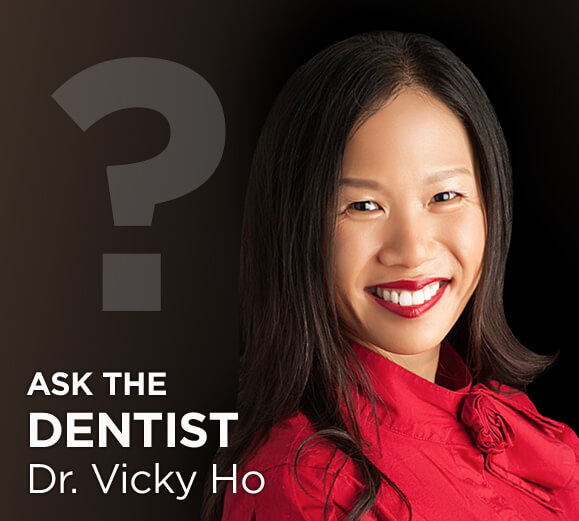
Dr Vicky Ho will answer any questions you may have about your dental health and care.
Financing Options

Associations & Accreditations

Our Reviews
