A dental emergency can be frightening, whether it is a sudden toothache, a tooth knocked out during sport or a crown that comes loose at dinner. Knowing what to do in the first few minutes can help you manage the situation until you can be seen by a dentist. This guide covers common dental emergencies, simple first-aid steps and when you should go straight to a hospital. It is written for people across Perth, including Mosman Park, Cottesloe, Claremont, Nedlands and Fremantle.
What Counts as a Dental Emergency?
Dental problems that may need urgent attention include:
- Severe or persistent toothache
- A knocked-out or loosened tooth
- A broken or chipped tooth
- Swelling in the gum, face or jaw
- A lost filling or crown
- Bleeding from the mouth after an injury or procedure
- A broken orthodontic wire or appliance causing injury
Not every problem is urgent, but pain, swelling or trauma should not be ignored. If you are unsure, contact a dental practice and describe your symptoms.
When to Go to a Hospital or Call 000
Some situations are medical emergencies rather than dental ones. Call 000 or go to the nearest hospital emergency department if you have:
- Swelling that spreads to your face, eye or neck
- Difficulty breathing or swallowing
- Fever together with facial or jaw swelling
- Heavy bleeding that does not stop after about 10 minutes of firm pressure
- A significant blow to the head or jaw, or a suspected broken jaw
First Aid for Common Dental Emergencies
This is general information only. Your dentist can advise you on your specific situation.
Knocked-out adult tooth. Time matters. Pick the tooth up by the crown (the white part), not the root. If it is dirty, rinse it briefly with milk or saline. Do not scrub it or use tap water for long. If you can, gently place it back in its socket and bite on a clean cloth. If you cannot, keep it moist in milk or inside your cheek, and see a dentist immediately. Baby teeth should not be put back in.
Chipped or broken tooth. Rinse your mouth with lukewarm water and keep any fragments. Apply a cold compress to your cheek to reduce swelling. Avoid chewing on that side until you have been assessed.
Severe toothache. Rinse with warm water, and gently floss to remove any trapped food. Take pain relief as directed on the label and suitable for your health, and ask a pharmacist if you are unsure. Do not place aspirin directly on the gum, as it can burn the tissue.
Possible dental abscess. Signs include a pimple-like bump on the gum, a bad taste, throbbing pain or swelling. An abscess is an infection that needs professional assessment. Seek care promptly, and go to the emergency department if swelling affects your breathing, swallowing or vision.
Lost filling or crown. Keep the crown if you can. Pharmacies sell temporary dental cement that may help hold it in place until your appointment. Do not use household glues.
Soft tissue injuries. For cuts to the lips, tongue or cheeks, rinse with water and apply firm pressure with clean gauze. Seek help if the bleeding continues.
What to Avoid
- Do not ignore swelling or ongoing pain in the hope it will settle
- Do not try to remove or file down a broken tooth yourself
- Do not delay seeking help for a knocked-out tooth
- Do not rely on leftover antibiotics or old medication without medical advice
Reducing the Risk of a Dental Emergency
Not every emergency can be prevented, but some steps may lower your risk:
- Wear a custom or well-fitted mouthguard for contact sport
- Avoid biting on ice, hard lollies or non-food objects
- Attend regular check-ups, so small problems are found early
- Discuss teeth grinding or clenching with your dentist, as it can contribute to cracked teeth
Emergency Dental Care at Smile Design Studio
If you have a dental emergency, call the team at Smile Design Studio on (08) 9468 3322. We will ask about your symptoms and advise on the most appropriate next steps. Our rooms are at 1/592 Stirling Highway, Mosman Park, with a second location on St Georges Terrace in the Perth CBD. Opening hours are Monday to Friday, 9am to 5pm. Outside these hours, contact an after-hours dental service or your nearest hospital emergency department.
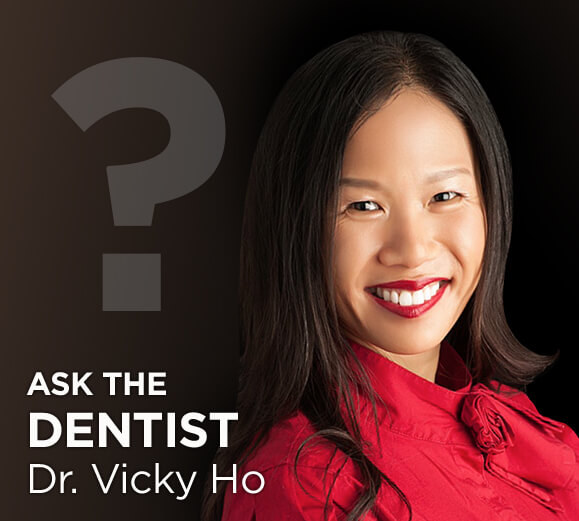
Dr Vicky Ho provides general and restorative dentistry, and you can read more on our emergency dental care page. If dental visits make you anxious, our sedation dentistry and scared of the dentist pages explain the options available. You can also view our general dentistry services or contact us online.
Frequently Asked Questions
Should I go to a dentist or a hospital?
For most tooth problems, a dentist is the right place. For facial swelling that affects breathing or swallowing, heavy bleeding or serious head and jaw injuries, go to the emergency department or call 000.
Will I need further treatment after an emergency visit?
It depends on the problem. Initial care often focuses on managing pain, protecting the tooth and checking for infection. Your dentist will explain whether further treatment is recommended, along with the risks, options and costs.
This article is general information only and is not a substitute for personal dental or medical advice. All dental treatment carries risks. Before proceeding with treatment, you should seek a second opinion from an appropriately qualified health practitioner. Individual results vary.