How you feel about your smile is personal. Some people are comfortable with the natural appearance of their teeth, while others may have concerns about tooth colour, shape, position, wear or missing teeth.
Cosmetic dentistry includes dental procedures intended to change aspects of the appearance of the teeth, gums or smile. Treatment may be appropriate for some patients, but it is not necessary for everyone—and it cannot guarantee happiness, confidence or a particular emotional outcome.
Before deciding whether to proceed, it is important to understand your options, the potential risks and limitations, and whether treatment is appropriate for your oral health.
Can cosmetic dentistry improve confidence?
People pursue cosmetic dental treatment for different reasons. Some may wish to address a tooth that has chipped, change the appearance of discolouration or explore options for teeth that are unevenly positioned.
A change in dental appearance may influence how some individuals feel about their smile. However, experiences vary, and dental treatment cannot guarantee greater confidence, happiness, professional success or improved relationships.
It is helpful to consider what you would like to change and why. Your dentist should discuss whether your expectations are achievable and whether treatment is likely to address your particular concern.
If you are experiencing significant distress about your appearance, it may also be appropriate to discuss this with a suitably qualified health practitioner before undertaking elective treatment.
What is cosmetic dentistry?
Cosmetic dentistry is a general term used to describe procedures that change the visible appearance of the teeth or gums.
“Cosmetic dentist” is not a recognised dental specialist title in Australia. Cosmetic dental procedures may be provided by registered dentists whose education, training and experience can vary.
Depending on your circumstances, cosmetic dental options may include:
- Professional teeth whitening
- Composite bonding
- Porcelain or composite veneers
- Clear aligners or other orthodontic treatment
- Dental crowns
- Replacement of missing teeth
- Gum contouring in selected cases
Some procedures are primarily elective. Others may combine aesthetic, restorative and functional considerations.
Start with your oral health
Before elective cosmetic treatment is considered, your dentist should assess the health of your teeth, gums and supporting tissues.
Existing concerns may include:
- Tooth decay
- Gum disease
- Cracked or weakened teeth
- Tooth sensitivity
- Worn teeth
- An unstable bite
- Clenching or grinding
- Failing fillings or restorations
These conditions may need to be managed before cosmetic treatment. Proceeding without addressing underlying disease could affect the treatment outcome and increase the risk of complications.
Clarify what you would like to change
A cosmetic dental consultation should begin with a discussion about your concerns and preferences.
Rather than requesting a particular procedure immediately, it can be helpful to explain the specific feature that concerns you. For example, you may wish to discuss the colour of a tooth, a small chip, spacing or the position of several teeth.
There may be more than one way to approach the same concern. In some cases, monitoring the area or choosing no treatment may also be reasonable.
Your dentist should explain the available options and help you compare their:
- Potential benefits
- Limitations
- Risks
- Costs
- Treatment times
- Maintenance requirements
- Effects on natural tooth structure
Cosmetic dental treatments that may be discussed
Teeth whitening
Professional teeth whitening uses a bleaching agent to lighten the appearance of natural teeth.
Whitening may reduce the appearance of some types of staining, but results depend on the cause and severity of the discolouration. Crowns, veneers, fillings and composite bonding will not change colour during whitening.
Possible side effects include temporary tooth sensitivity and gum irritation. No particular shade or duration of results can be guaranteed.
Composite bonding
Composite bonding involves applying tooth-coloured resin to selected areas of a tooth.
Depending on the circumstances, it may be considered for a small chip, minor spacing, selected surface discolouration or changes to tooth shape.
Composite can stain, wear, chip or detach. It may require polishing, repair or replacement over time.
Dental veneers
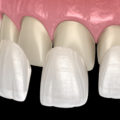
Dental veneers are restorations bonded to the front surfaces of teeth. They may be made from porcelain or composite resin.
Veneers may be considered for selected concerns involving tooth colour, shape, wear, small chips or minor spacing. They are not appropriate for every patient.
Porcelain veneer treatment may require removal of natural enamel. This is generally irreversible, and the affected tooth is likely to require ongoing restoration and maintenance.
Risks can include sensitivity, gum changes, chipping, debonding, fracture, colour differences and the possible need for repair or replacement.
Clear aligners and orthodontic treatment
When a concern relates to tooth position, orthodontic treatment may be considered before—or instead of—veneers or crowns.
Clear aligners use a planned sequence of removable appliances to move teeth gradually. They are not appropriate for every orthodontic concern, and some patients may need a different appliance or specialist orthodontic assessment.
Treatment time and results vary. Retainers are generally required after treatment to reduce the risk of teeth moving again.
Crowns and replacement of missing teeth
Crowns, bridges, dentures and dental implants may be discussed when teeth are significantly damaged or missing.
These treatments have functional and restorative purposes but may also change dental appearance. Each involves different risks, costs and maintenance requirements.
Dental implant treatment involves surgery and is not suitable for everyone. A clinical and radiographic assessment is required before it can be recommended.
Digital smile planning and mock-ups
Photographs, digital scans, simulations and physical mock-ups may be used to assist with treatment planning and communication.
These tools can help you discuss proposed tooth shapes, proportions and other preferences with your dentist. However, a simulation or mock-up is an illustrative planning aid. It does not guarantee that the final result will look exactly the same.
Factors such as tooth structure, gum health, bite, materials and biological response can influence the final appearance.
Understand the limitations and risks
All dental treatment has limitations. Depending on the procedure, cosmetic treatment may involve:
- Tooth sensitivity
- Removal of healthy tooth structure
- Gum irritation or recession
- Changes to the bite
- Chipping, staining or fracture
- Colour or shape differences
- Tooth decay around restorations
- The possible need for root canal treatment
- Ongoing professional maintenance
- Future repair or replacement costs
- An appearance that differs from expectations
Dental restorations do not last indefinitely. Their maintenance requirements and lifespan vary between patients and may be affected by oral hygiene, diet, bite forces, clenching, grinding and other health factors.
Take time before deciding
Cosmetic dental treatment is often elective. You should have sufficient information and time to decide whether proceeding is right for you.
Before consenting to treatment, consider asking:
- What options may be appropriate for my concern?
- Is treatment necessary, or could the area be monitored?
- Is there a more conservative alternative?
- How much natural tooth structure would be removed?
- Is the proposed treatment reversible?
- What are the risks in my circumstances?
- What result is realistically achievable?
- What maintenance will be required?
- How long might the restoration last?
- What happens if it chips, stains or fails?
- What is included in the quotation?
- Would a second opinion be helpful?
Attending a consultation does not obligate you to proceed.
Discuss cosmetic dentistry in Perth
If you would like to discuss cosmetic dental treatment, Smile Design Studio offers consultations at its dental practice in Mosman Park, Perth.
A consultation may include a discussion of your concerns, an examination of your oral health and information about potentially suitable options, risks and alternatives.
Contact Smile Design Studio on (08) 9468 3322 or request a consultation online.
Important information
This article provides general information only and is not a substitute for individual dental, medical or psychological advice.
Suitability, treatment requirements, costs, risks, recovery, maintenance and outcomes vary between patients. Cosmetic dental treatment cannot guarantee a particular appearance, emotional response, level of confidence or improvement in quality of life.
A clinical assessment is required before treatment can be recommended.