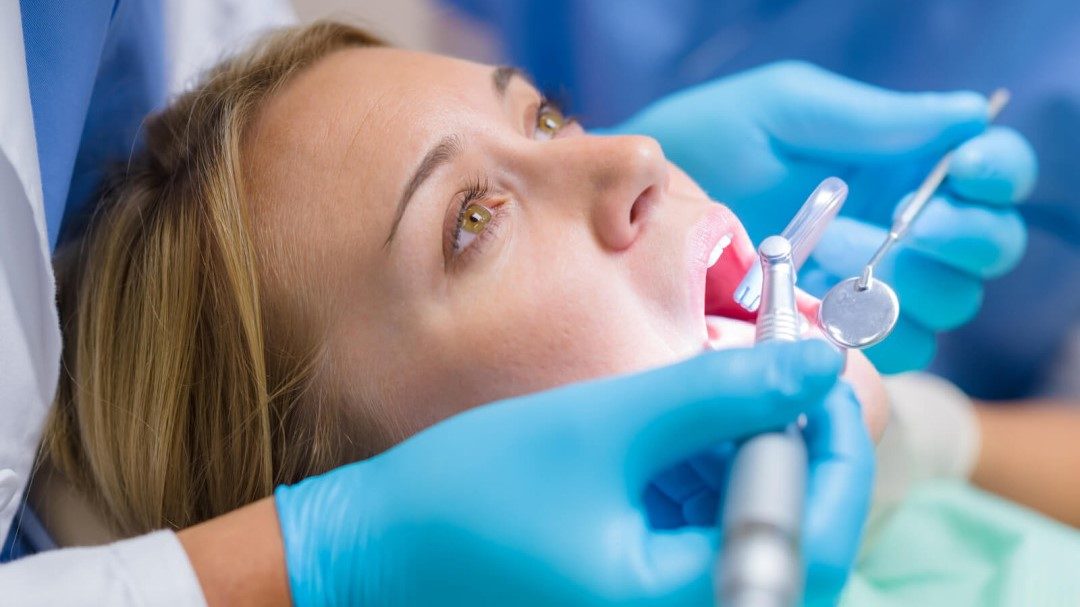
Porcelain veneers are thin ceramic restorations bonded to the front surfaces of selected teeth. Depending on the circumstances, they may be considered to change aspects of tooth colour, shape, size or proportion.
The bonding procedure involves preparing both the tooth and the internal surface of the veneer before securing the restoration with a dental resin cement.
Porcelain veneer treatment is not suitable for everyone. It is generally irreversible when natural tooth structure is removed, and veneers will require ongoing maintenance and eventual repair or replacement.
What is a porcelain veneer?
A porcelain veneer is a custom-made ceramic restoration covering part of the visible surface of a tooth.
Veneers may be considered for concerns involving:
- Tooth discolouration
- Chipped or worn teeth
- Irregular tooth shape
- Differences in tooth size or proportion
- Minor spacing concerns
The term “porcelain” is commonly used, although different dental ceramic materials may be selected depending on the treatment plan.
Veneers are primarily an elective aesthetic treatment. They do not automatically improve oral health, and healthy tooth structure may need to be removed during preparation.
Are porcelain veneers suitable for every patient?
No. Before recommending veneers, a dentist should assess:
- The health of the teeth and gums
- The amount and condition of the enamel
- Existing fillings or other restorations
- Tooth position and alignment
- The bite
- Clenching or grinding habits
- Tooth decay or cracks
- The patient’s expectations and treatment preferences
Active tooth decay, gum disease or other dental concerns may need to be managed before veneer treatment is considered.
Some patients may be better suited to whitening, composite bonding, orthodontic treatment or no active treatment.
How are teeth prepared for porcelain veneers?
The amount of tooth preparation varies between patients and even between individual teeth.
Some veneers can be planned with minimal preparation, while others require more tooth reduction to create space for the ceramic or alter tooth shape. It is misleading to state that every veneer requires removal of exactly 0.5 mm of enamel.
Where preparation is required, the dentist removes a controlled amount of tooth structure. Local anaesthetic may be offered depending on the planned procedure and the patient’s needs.
Tooth preparation is generally irreversible. Once a tooth has been prepared, it is likely to require an ongoing restoration.
How are porcelain veneers made?
After the teeth have been prepared, the dentist takes a digital scan or conventional impression.
The information is provided to a dental laboratory, where the veneers are made according to the agreed prescription. This may include the proposed:
- Tooth shape
- Dimensions
- Surface texture
- Ceramic type
- Shade and translucency
The manufacturing time varies between practices and laboratories.
Temporary veneers may be fitted while the final restorations are being made. Temporary restorations can feel and look different from the final veneers and may require particular care.
How are porcelain veneers bonded?
The exact bonding protocol depends on the ceramic material, resin system and clinical circumstances. A typical procedure may include the following stages.
-
Removing the temporary veneers
If temporary veneers were fitted, they are carefully removed. The teeth are then cleaned to remove temporary cement or other residue.
-
Assessing the veneers
Each veneer is placed temporarily on its tooth so the dentist can assess:
- Fit
- Shape
- Margins
- Tooth contact
- Shade
- General appearance
A try-in material may be used to preview how different resin-cement shades could influence the appearance.
This is an important opportunity for the patient and dentist to review the proposed appearance before bonding. However, try-in materials and digital simulations do not guarantee the final result.
-
Isolating the teeth
The teeth need to be kept clean and dry during bonding. Moisture, saliva or contamination can interfere with some adhesive procedures.
The dentist may use a rubber dam, cotton rolls, retraction material or other isolation methods depending on the treatment area and clinical circumstances.
-
Preparing the veneer surface
The internal surface of the veneer is treated according to the ceramic material and manufacturer’s instructions.
This may involve surface conditioning and application of a chemical coupling agent, such as silane, to assist bonding between the ceramic and resin cement.
Not every ceramic is prepared in the same way. The protocol must be appropriate for the selected material.
-
Preparing the tooth surface
The tooth surface is cleaned and conditioned. Where appropriate, enamel may be etched before a dental adhesive is applied.
Preserving enamel where clinically possible can be relevant to bonding. Research indicates that ceramic veneers bonded predominantly to enamel tend to experience fewer complications than veneers bonded to teeth with substantial exposed dentine. Individual outcomes still vary.
-
Applying the resin cement
A resin cement is placed inside the veneer, which is then positioned carefully on the tooth.
The dentist removes excess cement and checks that the veneer remains correctly seated.
-
Curing the cement
A dental curing light is generally used to harden the resin cement. Depending on the material and cement selected, additional curing mechanisms may also be involved.
The light activates components within the resin, allowing the cement to set and secure the veneer to the prepared tooth.
-
Finishing and checking the bite
After bonding, remaining excess cement is removed and the margins are finished and polished.
The dentist checks the way the teeth meet and may make minor adjustments where clinically appropriate. A review appointment may be recommended after the teeth and gums have had time to settle.
Is bonding porcelain veneers painful?
Experiences vary.
Local anaesthetic may be used during tooth preparation. Some patients experience temporary sensitivity during or after treatment, particularly when tooth structure has been removed.
Sensitivity may improve, persist or require further investigation. Contact your dentist if you experience severe, worsening or prolonged discomfort.
Veneer treatment should not be advertised as pain-free.
Can porcelain veneers come off?
A veneer can debond or become loose. This may be associated with factors such as:
- The amount and quality of remaining enamel
- Contamination during bonding
- The condition of the underlying tooth
- The bonding materials and technique
- Clenching or grinding
- Bite forces
- Trauma
- Biting hard objects
A detached veneer should be assessed by a dentist. Do not attempt to glue it back yourself with household adhesive.
Depending on its condition and the underlying tooth, the veneer may be rebonded, repaired or replaced.
Can porcelain veneers chip or break?
Porcelain veneers can chip, crack or fracture. They are not indestructible.
To reduce avoidable damage:
- Do not bite hard objects such as ice or pens
- Avoid using teeth to open packaging
- Follow advice about hard or chewy foods
- Wear a protective appliance if one is prescribed
- Seek assessment if you clench or grind
- Attend reviews recommended for your circumstances
Following these measures cannot guarantee that a veneer will not be damaged.
How long do porcelain veneers last?
There is no guaranteed lifespan for a porcelain veneer.
Longevity may be influenced by:
- The amount of enamel available for bonding
- The health of the underlying tooth
- The veneer design and material
- Bonding conditions
- Oral hygiene
- Gum health
- Bite forces
- Clenching or grinding
- Trauma
- Professional maintenance
Veneers may eventually require polishing, repair, rebonding or replacement.
What are the risks and limitations?
Possible risks and complications include:
- Removal of healthy tooth structure
- Temporary or persistent sensitivity
- Gum irritation or recession
- Changes in the appearance of veneer margins
- Colour differences
- Chipping, cracking or debonding
- Changes to the bite
- Tooth decay around the restoration
- Difficulty changing the veneer colour after bonding
- An appearance that differs from expectations
- The need for repair or replacement
- The possible need for root canal treatment
- Loss of the underlying tooth in some circumstances
No aesthetic result or treatment lifespan can be guaranteed. Your dentist should explain the material risks relevant to your circumstances before you decide whether to proceed.
What are the alternatives to porcelain veneers?
Depending on the concern, alternatives may include:
- Teeth whitening
- Composite bonding
- Orthodontic treatment
- Enamel reshaping in selected cases
- A dental crown where clinically indicated
- Monitoring the teeth without cosmetic treatment
Each option has different benefits, limitations, risks, costs and maintenance requirements. In some cases, a less invasive option may be appropriate.
Arrange a porcelain veneer consultation in Perth
To discuss porcelain veneers and other cosmetic dental options, contact Smile Design Studio in Mosman Park, Perth, on (08) 9468 3322 or request a consultation online.
Attending a consultation does not obligate you to proceed. Following an assessment, your dentist can explain which options may be appropriate for your circumstances, together with their risks, limitations, likely maintenance and costs.
Important information
This article provides general information for adults and does not replace individual dental or medical advice. Treatment suitability, preparation, risks, costs, recovery, maintenance and outcomes vary between patients. No particular aesthetic result or treatment lifespan can be guaranteed. A clinical assessment is required before treatment can be recommended.