If you are thinking about straightening crooked teeth in Perth, you may be weighing up clear aligners such as Invisalign against porcelain or composite veneers. Both can change how a smile looks, but they work in very different ways and suit different situations. This guide explains the differences so you can ask informed questions at a consultation. It is general information only, and an examination is needed before any treatment can be recommended.
The short answer
Invisalign moves teeth; veneers change how teeth look. The better option depends on what is causing the crooked appearance, the health of your teeth and gums, your bite and your priorities.
- Invisalign (a brand of clear aligners) gradually moves teeth into new positions. It may be worth considering when crowding, rotation or spacing is the main concern and you would like to preserve natural tooth structure where possible.
- Veneers are thin shells bonded to the front of teeth. They may be considered when shape, colour, chips or wear are also concerns. They do not move teeth, and porcelain veneers usually involve removing some enamel, which cannot be reversed.
- A combination is sometimes the most conservative plan: straighten first, then refine with whitening or minimal veneers.
What is the difference between Invisalign and veneers?
How Invisalign works
Invisalign is a series of removable, custom-made clear aligners. Each set moves teeth by small amounts and is usually worn for most of the day. Treatment time depends on complexity and can range from several months to more than a year. Small tooth-coloured attachments may be bonded to some teeth to help movement, and retainers are needed afterwards because teeth can drift back towards their old positions.
How veneers work
A veneer is a thin restoration made from porcelain or composite resin and bonded to the front of a tooth. Veneers can alter the colour, shape and length of teeth and the appearance of minor irregularities. Porcelain veneers are made in a laboratory and usually need some enamel removed, so the change to the tooth is permanent. Composite veneers are shaped directly on the tooth and may need less preparation, but they have different durability and staining characteristics. Either type may need repair or replacement over time.
Invisalign and veneers compared
| Invisalign | Veneers | |
|---|---|---|
| What it changes | Position of teeth | Appearance: colour, shape, length |
| Moves teeth | Yes | No |
| Tooth preparation | Usually little or none | Porcelain: usually some enamel removal. Composite: varies |
| Typical time | Months to over a year, then retainers | Often a few appointments |
| Ongoing care | Retainers and regular check-ups | Check-ups; repair or replacement may be needed |
| Key limitations | Needs consistent wear; may not suit complex bites | Porcelain changes are irreversible; can chip or debond |
When might Invisalign be worth considering?
Aligners may be worth discussing if:
- Crowding, rotation, overlap or gaps are your main concern
- Your teeth are otherwise healthy, with little wear or damage
- You would prefer to avoid altering healthy enamel where possible
- You can wear aligners consistently and commit to retainers afterwards
- Your teeth have moved since earlier braces. Teeth can shift over time, as explained in why teeth can drift out of line in adulthood
Aligners may be less suitable if gum disease is not controlled, a bite problem is complex, or aligners are unlikely to be worn as directed. See the Invisalign page at Smile Design Studio for more.
When might veneers be worth considering?
Veneers may be worth discussing if:
- Teeth look uneven mainly because of their shape, size or chipped edges, with only mild misalignment
- Discolouration has not responded to whitening
- You understand that porcelain veneers involve permanent tooth changes and later maintenance
Veneers placed over more crowded teeth can require more tooth reduction or look bulkier, so moving the teeth first is sometimes discussed. If your teeth are shortening or chipping, grinding may be involved, and that is worth assessing before cosmetic work. Read more about worn teeth and grinding, or visit the dental veneers page at Smile Design Studio. Veneers do not replace treatment of decay or gum disease.
Can you combine Invisalign and veneers?
In some cases, yes. Moving teeth first may mean veneers, if still wanted, can be smaller or more conservative, with less tooth preparation. A plan might involve aligners, then whitening, then veneers or bonding. Many people do not need every step, and some choose one treatment alone. Your dentist should explain each option, including no treatment. At Smile Design Studio, this stepwise thinking is part of the smile design process, and the practice’s overview of cosmetic dentistry options in Perth covers the wider range.
What are the risks and limitations?
All dental treatment carries risks, and individual results vary.
- Invisalign: temporary soreness or speech changes, tooth or gum sensitivity, longer treatment if aligners are not worn as directed, relapse if retainers are not worn, and limits in more complex cases.
- Veneers: permanent removal of enamel (porcelain), sensitivity, chipping or debonding, staining at the edges of composite, and eventual replacement. A night guard may be recommended if you grind your teeth.
- Both: outcomes cannot be guaranteed, and a result you have seen on another person may not be possible for your teeth.
What happens at a consultation in Mosman Park?
At Smile Design Studio, a consultation starts with a conversation about what you would like to change. Your teeth, gums and bite are then examined, and x-rays or digital scans may be recommended. Options are discussed along with their risks, likely timeframes and fees. These can include no treatment, whitening, bonding, aligners, veneers or a combination. Attending a consultation does not commit you to treatment. You can read more about what to expect at a veneer consultation or see the practice’s payment and financing options.
Invisalign and veneers in Perth
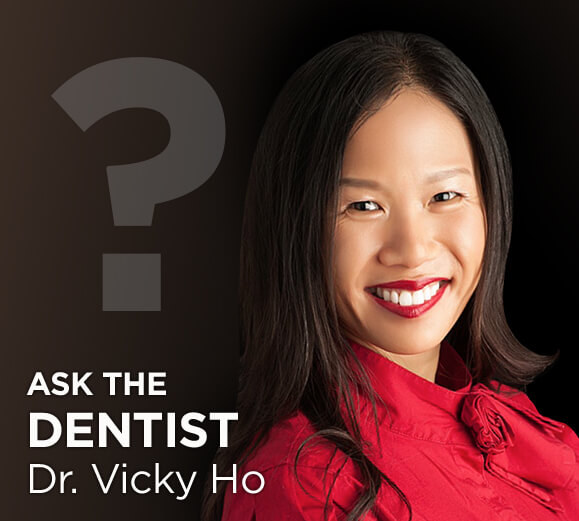
Smile Design Studio, led by Dr Vicky Ho, provides cosmetic and restorative dentistry from two Perth locations:
- Mosman Park: 1/592 Stirling Hwy, Mosman Park WA 6012
- Perth CBD: 25/74-108 St Georges Terrace, Perth WA 6000
Phone (08) 9468 3322. Open Monday to Friday, 9am to 5pm. Patients visit Smile Design Studio from across Perth, including Cottesloe, Claremont, Nedlands and Fremantle (see areas served). To book a consultation, contact Smile Design Studio or call the practice.
Frequently asked questions
Can veneers fix crooked teeth without braces or aligners?
Veneers can change the appearance of mild misalignment, but they do not move teeth. With more crowding, covering crooked teeth may require more tooth reduction, so moving them first may be considered. Your dentist can advise after an examination.
Is Invisalign or veneers faster?
Veneers usually need fewer appointments, while aligners are worn over months. Speed should not be the only factor, particularly because porcelain veneers cannot be undone.
Do I need a retainer after Invisalign?
Retainers are usually recommended after aligner treatment because teeth can move back. Your dentist will advise how long and how often to wear them.
Are veneers reversible?
Porcelain veneers usually involve removing some enamel, so they are generally not reversible. Composite veneers may need less preparation. Ask your dentist what your plan involves.
How much do Invisalign and veneers cost in Perth?
Costs depend on the number of teeth, the materials and the complexity of your case, so a written quote follows an examination. See the financing page for payment options.
Disclaimer: This content is intended for general informational purposes only and does not constitute dental advice. Outcomes vary between individuals. All treatments mentioned involve some degree of risk and are subject to a clinical assessment. Please consult a registered dental practitioner for advice specific to your oral health needs.