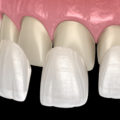
A “smile makeover” is a marketing term commonly used to describe a treatment plan involving one or more cosmetic, orthodontic or restorative dental procedures.
Depending on the individual, a plan might include whitening, composite bonding, orthodontic treatment, veneers, crowns, gum treatment or replacement of missing teeth. It may also be reasonable to choose a more conservative option or have no treatment.
Some cosmetic procedures require irreversible changes to teeth and ongoing maintenance. Before proceeding, you should understand what is being recommended, why it is appropriate, what alternatives are available and what the treatment may involve over the long term.
The following questions can help you have an informed discussion with your dentist.
-
Are you registered to practice dentistry in Australia?
You can check a dentist’s registration using the Ahpra Register of Practitioners.
The register provides current information about:
- Registration status
- Dental practitioner division
- Specialist registration, where applicable
- Publicly recorded conditions or undertakings
- Principal place of practice
If the person providing treatment is not listed as a registered dental practitioner, ask who will be responsible for your care and verify their registration before proceeding.
-
Is “cosmetic dentist” a recognized specialist title?
No. “Cosmetic dentist” is a descriptive term and is not a recognized dental specialist title in Australia.
Registered dentists may provide cosmetic procedures when the treatment is within their education, training, experience and competence. This experience can vary considerably.
Recognized dental specialists include prosthodontists, orthodontists, periodontists, endodontists and oral surgeons. A practitioner should only use a protected specialist title if they hold the corresponding specialist registration.
-
What relevant education, training and experience do you have?
Ask about experience with the specific procedure being recommended—not cosmetic dentistry in general.
Questions may include:
- What relevant training have you completed?
- How frequently do you provide this treatment?
- Do you commonly manage cases similar to mine?
- Will another practitioner complete any part of my treatment?
- Is specialist assessment appropriate?
- How are complications managed?
No practitioner can guarantee that complications will never occur. The discussion should explain how foreseeable risks are reduced, identified and managed.
-
What have you diagnosed?
A treatment recommendation should follow an appropriate assessment.
Ask the dentist to explain the condition of your:
- Teeth
- Gums and supporting bone
- Existing fillings, crowns and veneers
- Bite
- Tooth wear
- Missing teeth
- Relevant jaw function
- Oral hygiene
Further records such as photographs, X-rays, scans or impressions may be required depending on the proposed treatment.
-
Why is each procedure being recommended?
Every procedure should have a clear purpose.
Ask:
- What concern is this procedure intended to address?
- Is the purpose cosmetic, restorative or functional?
- Is the treatment clinically necessary or elective?
- Why is this option being recommended over another?
- Does every tooth being proposed for treatment need to be included?
More treatment is not necessarily better. Each part of a combined plan should be considered separately.
-
What happens if I choose no treatment?
No treatment or monitoring should be discussed when it is a reasonable option.
If a condition is likely to worsen without treatment, ask the dentist to explain:
- What may happen
- How likely it is
- Over what timeframe
- What symptoms or changes should be monitored
- Whether a less extensive intervention is available
Elective cosmetic treatment should not be presented as mandatory simply because a natural tooth varies in colour, shape or alignment.
-
Are there more conservative alternatives?
Depending on the concern, alternatives may include:
- Professional cleaning
- Teeth whitening
- Limited composite bonding
- Clear aligners or fixed braces
- Repairing rather than replacing a restoration
- Treating fewer teeth
- Monitoring
- Accepting the natural appearance of the teeth
For example, orthodontic treatment may preserve more natural tooth structure than using veneers to disguise significantly misaligned teeth.
-
How much natural tooth structure will be removed?
This question is particularly important before veneers or crowns.
Ask:
- Will enamel or dentine be removed?
- Which surfaces will be prepared?
- Why is preparation required?
- Could less preparation achieve an acceptable result?
- What happens to the tooth if the restoration is removed?
- Is the tooth likely to need restorations for the rest of its life?
Porcelain veneer and crown treatment is generally irreversible where natural tooth structure is removed. Composite bonding may involve less preparation in some cases, but it should not automatically be described as reversible.
-
What are the risks in my circumstances?
General information is useful, but informed consent should include risks relevant to your health, teeth and proposed treatment.
Depending on the procedure, risks may include:
- Tooth sensitivity
- Removal of healthy tooth structure
- Gum irritation or recession
- Chipping, staining, wear or fracture
- Debonding
- Color differences
- Changes to the bite
- Tooth decay around restorations
- The possible need for root canal treatment
- Infection or delayed healing
- Implant complications
- Incomplete orthodontic movement
- Future repair or replacement
- An appearance that differs from expectations
Ask how likely each material risk may be in your circumstances and what treatment would be required if it occurred.
-
What can the treatment reasonably change?
Ask the dentist to distinguish between the intended outcome and what cannot be predicted or guaranteed.
Cosmetic dental treatment cannot guarantee:
- A perfect or symmetrical smile
- An exact shade
- A permanent result
- A specific restoration lifespan
- Greater confidence or happiness
- Improved relationships or career success
- Relief from unrelated symptoms
Outcomes vary according to biology, tooth position, gum health, materials, treatment complexity, healing and maintenance.
-
Can I see a trial design or mock-up?
Depending on the treatment, planning tools may include:
- Digital simulations
- Diagnostic wax-ups
- Physical mock-ups
- Temporary restorations
- Shade guides
- Dental photographs
These can help communicate the proposed shape, length and arrangement of teeth.
However, a simulation or mock-up does not guarantee that the final treatment will look identical. Ask which aspects are predictable and which may change during treatment.
-
What should I know about before-and-after photographs?
Photographs may illustrate the practitioner’s treatment approach but cannot predict your result.
Ask:
- Are these patients treated by this dentist?
- What procedures were performed?
- Is the case similar to mine?
- How long after treatment was the final image taken?
- Were lighting, camera angle and facial position consistent?
- Were the images filtered, retouched or enhanced?
Images should be used with consent and should not be altered in a way that misrepresents outcomes. Results shown for one patient do not indicate what another patient will experience.
-
How long will treatment take?
Ask for the estimated duration of:
- Diagnostic planning
- Preliminary dental treatment
- Orthodontic treatment
- Laboratory fabrication
- Temporary restorations
- Healing
- Final treatment
- Review appointments
There is no standard smile-makeover timeframe. Treatment may take one appointment, several weeks, many months or longer depending on the procedures involved.
An estimate is not a guaranteed completion date.
-
What discomfort, recovery or restrictions should I expect?
Ask about:
- Whether local anaesthetic may be used
- Expected sensitivity or discomfort
- Temporary changes to eating or speech
- Gum healing
- Activity or dietary restrictions
- Temporary restorations
- Time away from work, if relevant
- Symptoms that require urgent review
Descriptions such as “painless,” “easy” or “stress-free” should not replace a proper explanation of what patients may experience.
-
What maintenance will be required?
Cosmetic and restorative dental work requires ongoing care.
Maintenance may include:
- Daily brushing and interdental cleaning
- Clinically appropriate dental reviews
- Professional cleaning
- Composite polishing
- Repair of chips or worn surfaces
- Replacement of retainers
- A protective appliance for grinding or clenching
- Repair or replacement of restorations
Ask how the proposed treatment may affect cleaning and what future procedures are reasonably foreseeable.
-
How long might the treatment last?
No restoration can be guaranteed to last for a specific period.
Longevity may be influenced by:
- The condition of the underlying tooth
- The amount of remaining enamel
- Bite forces
- Grinding or clenching
- Gum health
- Oral hygiene
- Diet
- Trauma
- Smoking or vaping
- Material selection
- Maintenance
Ask what commonly causes the proposed treatment to fail and what may be involved if it needs repair or replacement.
-
What is the total cost?
Request an itemised written quotation that explains:
- Diagnostic appointments and records
- Each procedure and tooth involved
- Mock-ups or trial restorations
- Laboratory fees
- Temporary restorations
- Anaesthesia or sedation fees
- Final restorations
- Reviews and adjustments
- Retainers or protective appliances
- Follow-up care
- Possible additional costs
Also ask about foreseeable maintenance, repair and replacement costs.
The initial fee is not necessarily the lifetime cost of treatment.
-
What are the payment and cancellation terms?
Before paying a deposit or entering a payment arrangement, ask:
- How much is payable and when?
- Is the deposit refundable?
- What happens if the treatment plan changes?
- What happens if I decide not to proceed?
- Are there cancellation fees?
- Does the payment plan involve interest or other charges?
- What is the total amount repayable?
- Are refunds available for treatment not provided?
Do not allow financing or a limited-time offer to pressure you into an elective procedure.
-
What happens if there is a complication?
Before treatment begins, ask:
- Who should I contact after hours?
- Who will provide follow-up care?
- What happens if a veneer chips or debonds?
- How are bite concerns assessed?
- What if I experience persistent sensitivity?
- Who manages complications if another practitioner performed part of the treatment?
- What fees apply to repairs or additional care?
- What complaints process is available?
The practitioner or practice should have clear arrangements for aftercare and management of foreseeable complications.
-
Can I take time to decide or seek a second opinion?
You should have enough time to review the written treatment plan, risks, alternatives and costs before agreeing to elective treatment.
Seeking a second opinion may be helpful when:
- Several teeth are being treated
- Significant tooth preparation is proposed
- Treatment is complex or expensive
- Dental implants or surgery are involved
- You are uncertain about the recommendation
- Different treatment options have substantial trade-offs
- You feel pressured to decide
A request for time or another opinion should not compromise your access to respectful care.
Additional questions about specific treatments
Before teeth whitening
Ask:
- What is causing the discolouration?
- Will this type of staining respond?
- Could my restorations appear different afterwards?
- What sensitivity or gum irritation might occur?
- What result is realistic?
Before porcelain veneers
Ask:
- How much tooth preparation is required?
- Could bonding, whitening or orthodontics be more conservative?
- Where will the veneers be made?
- What material is being used?
- What happens if a veneer fractures or needs replacement?
Before clear-aligner treatment
Ask:
- Are clear aligners suitable for the required movements?
- Will I need attachments, elastics or enamel reduction?
- What happens if the teeth do not move as planned?
- Are additional aligners included?
- What retainers will be needed?
Before dental implants
Ask:
- What are the non-implant alternatives?
- Is sufficient bone available?
- Is bone or gum grafting anticipated?
- What surgical risks apply?
- What happens if the implant does not integrate?
- How will the implant restoration be cleaned and maintained?
Your consultation should support an informed decision
A cosmetic dental consultation should give you clear information—not pressure you towards a predetermined procedure.
You should understand:
- Your current oral health
- What each procedure is intended to address
- The available alternatives
- The option of no treatment
- Irreversible aspects of the plan
- Material risks and limitations
- Treatment and recovery requirements
- Initial and long-term costs
- Maintenance and aftercare
Discuss cosmetic dental options in Perth
To discuss cosmetic or restorative dental treatment, contact Smile Design Studio in Mosman Park, Perth, on (08) 9468 3322 or request a consultation online.
An individual assessment is required before any procedure can be recommended.
Disclaimer: This information is general in nature and intended for adults. It is not dental advice or a substitute for an individual consultation with a registered dental practitioner. Treatment suitability, risks, costs, recovery, maintenance and outcomes vary. No particular appearance, restoration lifespan or emotional outcome can be guaranteed.