
Back Tooth Concerns
Back teeth play an important role in chewing. They can be affected by tooth decay, worn or fractured fillings, cracks, infection, clenching or grinding, and tooth loss.
Symptoms such as pain when chewing, sensitivity, swelling or a broken tooth should be assessed by a dentist. Jaw discomfort, headaches and other symptoms can have a range of causes and require an individual clinical assessment.
What are the treatment options?
The appropriate treatment depends on the cause and extent of the concern, the remaining tooth structure, your bite and your overall oral health. Options may include:
- Fillings Fillings may be used to restore areas affected by decay or minor damage where sufficient tooth structure remains.
- Inlays and onlays Inlays and onlays are custom-made restorations used to restore part of a tooth. They may be considered where a filling is not the most appropriate option.
- Crowns A crown is a custom-made restoration that covers a tooth. It may be considered where more extensive restoration or protection of a tooth is required.
- Dental bridges or implants Where teeth are missing, a bridge or dental implant may be considered to support a replacement tooth or teeth. Implant treatment involves surgery and is not suitable for everyone.
Other treatments, including root canal treatment, may be relevant in some circumstances. We will explain the options that may be appropriate for you, including benefits, risks, costs, alternatives and care requirements.
How long does treatment take?
The treatment timeframe varies according to the diagnosis and treatment selected.
Some fillings may be completed in one appointment. Inlays, onlays and crowns often require planning and more than one appointment. Bridges and dental implants may require additional appointments, and implant treatment can involve healing time or preparatory treatment.
Your dentist will provide an estimated timeline after assessment and planning.
Is treatment uncomfortable?
Dental procedures can involve varying levels of discomfort. We will discuss what to expect for the treatment being considered and available options for managing comfort during and after appointments.
If you experience dental anxiety or are considering sedation, please let us know. Sedation may be discussed where clinically appropriate and after assessment.
How long will treatment last?
The longevity of fillings, inlays, onlays, crowns, bridges and implant-supported restorations varies. It may be affected by oral hygiene, regular dental reviews, gum health, bite forces, diet, smoking, medical factors and habits such as clenching or grinding.
Restorations require ongoing care and may need adjustment, maintenance, repair or replacement over time. We will discuss the factors relevant to your treatment plan.
How much does treatment cost?
Costs vary according to the diagnosis, complexity of care, treatment selected, materials used and any preparatory treatment required. After assessment and treatment planning, we can provide a written estimate for the options discussed.
Can I see examples of treatment?
We can explain the treatment process and discuss the planning tools that may be relevant to your care. Any clinical images used on this website are for general information only and do not predict or guarantee an individual outcome.
Ask the Dentist
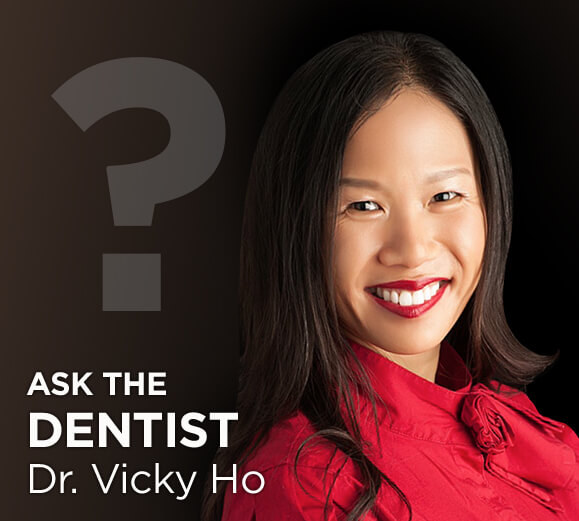
Dr Vicky Ho will answer any questions you may have about your dental health and care.