If you are considering dental veneers, a consultation can help you understand your options before making a decision.
At Smile Design Studio in Mosman Park, a veneer consultation involves discussing your concerns, assessing your oral health and considering whether veneers—or a more conservative alternative—may be appropriate for you.
Attending a consultation does not mean that you need to proceed with treatment.
What are dental veneers?
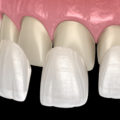
Dental veneers are thin restorations bonded to the front surfaces of teeth to change aspects of their appearance. Depending on the circumstances, veneers may be considered for concerns such as:
- Tooth discolouration that has not responded to whitening
- Chipped or worn teeth
- Irregular tooth shape
- Minor spacing concerns
- Differences in tooth size or proportion
Veneers are commonly made from porcelain or composite resin. Each material has different advantages, limitations, costs and maintenance requirements.
Veneers are not suitable for every patient or every cosmetic concern. A clinical examination is required before treatment can be recommended.
Step 1: Discussing your concerns
Your consultation will usually begin with a conversation about what you would like to change and what you hope to achieve.
You may wish to bring reference photographs to help explain your preferences. These images can assist communication, but another person’s result cannot be reproduced or guaranteed because teeth, gums, facial features and bites differ between patients.
This is also an opportunity to ask about:
- Porcelain and composite veneers
- The likely treatment stages
- Tooth preparation
- Possible risks and limitations
- Maintenance and future replacement
- Alternative treatments
- Fees and payment arrangements
Your dentist should aim to understand your priorities rather than assume that veneers are the right treatment for you.
Step 2: Examining your oral health
Before recommending cosmetic dental treatment, your dentist will examine your teeth, gums and bite.
The assessment may consider:
- The health and thickness of your enamel
- Existing fillings, crowns or other restorations
- Tooth decay or cracks
- Gum health
- Tooth position and alignment
- Your bite
- Clenching or grinding habits
- Previous dental treatment
Dental X-rays, photographs or scans may be recommended when clinically appropriate.
If tooth decay, gum disease or another oral health concern is identified, this may need to be managed before cosmetic treatment is considered.
Step 3: Considering veneers and their alternatives
Veneers are only one way of addressing cosmetic dental concerns. Depending on your needs, alternatives may include:
- Tooth whitening
- Composite bonding
- Orthodontic treatment
- Enamel reshaping in selected cases
- A dental crown where clinically indicated
- Monitoring the teeth without treatment
In some cases, a less invasive option may be appropriate. Your dentist should explain the reasonable alternatives, including the option of not proceeding with treatment.
Step 4: Comparing porcelain and composite veneers
If veneers are considered suitable, your dentist may discuss porcelain and composite resin options.
Porcelain veneers
Porcelain veneers are made outside the mouth by a dental laboratory. Treatment commonly involves tooth preparation, digital scans or impressions, temporary restorations where required, and a later appointment to assess and bond the veneers.
Some natural tooth structure may need to be removed. The amount varies according to the tooth position, veneer design and individual clinical circumstances.
Tooth preparation is generally irreversible. Once a tooth has been prepared for a veneer, it is likely to require an ongoing restoration in the future.
Composite resin veneers
Composite veneers are applied directly to the teeth and can sometimes be completed in one appointment.
They may require less tooth preparation in selected cases. However, composite resin can stain, chip or wear and may require maintenance, repair or replacement.
Neither porcelain nor composite veneers are automatically the better option. The choice depends on your teeth, treatment goals, preferences and willingness to accept the relevant risks and maintenance.
Step 5: Photographs, scans and smile planning
Clinical photographs, digital scans and design software may be used to help plan treatment.
In some cases, your dentist may offer a digital simulation or physical mock-up to illustrate a proposed direction for tooth shape and proportion. A mock-up may also allow you to comment on aspects of the proposed design before treatment begins.
Digital simulations and mock-ups are communication and planning tools. They do not guarantee that the final result will look identical.
Step 6: Reviewing the treatment plan
If you are considering proceeding, you should receive a treatment plan explaining:
- The proposed treatment
- The number of teeth involved
- The expected amount of tooth preparation
- The likely number of appointments
- Provisional restorations, if required
- The estimated treatment timeline
- Fees and what they include
- Maintenance requirements
- Material risks and limitations
- Reasonable alternatives
Further assessment or planning may be required before a definitive quotation can be provided.
You should have sufficient time to consider the information, ask questions and decide whether treatment is right for you.
What are the risks and limitations?
Veneer treatment can involve risks and complications, including:
- Tooth sensitivity
- Removal of healthy tooth structure
- Gum irritation or recession
- Changes in the appearance of veneer margins
- Chipping, cracking, staining or debonding
- Changes to the bite
- Tooth decay around the restoration
- Colour differences between veneers and natural teeth
- Difficulty changing the colour after placement
- The need for maintenance, repair or replacement
- Possible future root canal treatment in some circumstances
Veneers have a limited lifespan and may eventually require replacement. The timing varies according to the material, oral health, bite, habits and maintenance.
No particular cosmetic result or treatment lifespan can be guaranteed.
What happens if you decide to proceed?
For porcelain veneers, treatment may involve:
1. Finalising the proposed design
2. Preparing the teeth where required
3. Taking digital scans or impressions
4. Fitting temporary veneers where applicable
5. Assessing and bonding the final veneers
6. Reviewing the veneers and your bite
Composite veneers may sometimes be completed in one appointment, although additional planning, finishing or review visits may be required.
Your exact treatment sequence will depend on your individual plan.
Questions to ask during your consultation
You may wish to ask:
- Are veneers suitable for my teeth?
- Are there less invasive alternatives?
- Why are you recommending porcelain or composite?
- How much natural tooth structure may be removed?
- Can I see the proposed design before treatment?
- What are the risks in my particular case?
- What maintenance will I need?
- What happens if a veneer chips or comes off?
- Will the veneers need to be replaced in the future?
- What is included in the quotation?
Arrange a dental veneer consultation
To discuss dental veneers and other cosmetic dental options, contact Smile Design Studio in Mosman Park, Perth, on (08) 9468 3322.
A complimentary initial dental veneer consultation with Dr Vicky Ho may be available. Terms and conditions apply. Please ask our team about eligibility and what is included before booking. Comprehensive examinations, X-rays, scans, diagnostic services and further planning may involve separate fees.
Attending a consultation does not obligate you to proceed with treatment.
Important information
This article provides general information only and does not replace individual dental or medical advice. Treatment suitability, risks, costs, recovery, maintenance and outcomes vary between patients. Images, simulations and mock-ups do not guarantee an outcome. A clinical assessment is required before treatment can be recommended.