Dental implants are one option for replacing missing teeth. They are surgically placed in the jawbone and may support a single crown, a bridge replacing several teeth or a removable or fixed dental prosthesis.
Implant treatment is not suitable or necessary for everyone. Alternatives can include a dental bridge, removable denture, orthodontic space closure in selected cases or leaving the space untreated and monitoring it.
An individual clinical assessment is required before treatment can be recommended.
What is a dental implant?
A dental implant is a manufactured fixture placed into the jawbone to support a dental restoration. Most implants are made from titanium or a titanium alloy, although other materials may be available.
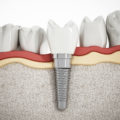
A single implant restoration commonly has three components:
The implant fixture
The fixture is surgically positioned in the jawbone. It acts as a foundation for the restoration but is not identical to a natural tooth root.
The abutment
The abutment is a connecting component between the implant fixture and the dental restoration. Its design depends on the implant system and the type of restoration.
The implant restoration
The visible restoration may be:
- A crown replacing one tooth
- A bridge replacing several teeth
- A removable denture supported or retained by implants
- A fixed full-arch prosthesis supported by several implants
The restoration is usually made from ceramic, metal, acrylic resin, composite material or a combination of materials.
What does “full-mouth dental implants” mean?
“Full-mouth implants” is an imprecise marketing term.
When all or most teeth in an arch are missing, several implants may be used to support:
- A removable implant-retained denture
- A fixed full-arch prosthesis
- Several implant-supported bridges
An implant is not normally placed for every missing tooth. The number, position and angle of the implants depend on the bone, anatomy, bite, prosthesis design and other clinical factors.
Full-arch treatment is complex and involves different risks, costs and maintenance requirements from a single implant crown.
Why are dental implants considered?
Implants may be considered when one or more teeth are missing due to:
- Tooth decay
- Gum disease
- Dental trauma
- Developmental absence of a tooth
- A cracked or unrestorable tooth
- Previous extraction
- Failure of an existing bridge or denture
An implant can sometimes replace a missing tooth without preparing the neighbouring teeth for a conventional bridge. However, this advantage must be weighed against the need for surgery, healing time, cost and implant-specific risks.
Are implants cosmetic or restorative treatment?
Dental implants can have cosmetic, restorative and functional considerations.
A restoration may fill a visible space and contribute to chewing or speech. However, an implant should not be presented as a guaranteed way to improve appearance, confidence, social success or general health.
The clinical reason for replacing a tooth and the consequences of leaving the space should be discussed for each patient.
What happens to the bone after a tooth is lost?
The bone that previously supported a tooth commonly changes after extraction. The amount and pattern of change vary between people and sites.
An implant may help maintain bone immediately around a functioning implant, but it cannot guarantee that all bone loss will stop. Changes can still occur because of:
- Healing after extraction
- Gum and bone anatomy
- Infection
- Smoking
- Bite forces
- Implant position
- Peri-implant disease
- General health factors
- Age-related changes
Implants cannot guarantee that facial proportions or soft tissues will remain unchanged.
Does a gap expose the gums to dangerous bacteria?
A missing-tooth space does not automatically expose a person to bloodstream infection or significant general-health problems.
The mouth naturally contains bacteria whether or not all teeth are present. Oral health depends on controlling plaque, treating dental disease and maintaining healthy teeth and gums.
A missing tooth can sometimes affect neighboring teeth, chewing, appearance or the bite, but these effects are not inevitable. The likely consequences of leaving a particular space untreated should be assessed individually.
What does dental implant treatment involve?
Implant treatment commonly involves several stages.
-
Consultation and assessment
The dentist reviews:
- Medical and dental history
- Medications and allergies
- Smoking or vaping
- Tooth and gum health
- Bone volume and anatomy
- The bite
- Existing restorations
- Oral hygiene
- Treatment preferences
- Ability to maintain the implant
Dental X-rays are commonly required. Three-dimensional imaging such as a CBCT scan may be indicated when additional anatomical information is needed.
-
Treatment planning
The position of the final tooth or prosthesis should be considered before the implant is placed.
Planning may involve:
- Dental photographs
- Digital scans or impressions
- Study models
- A diagnostic tooth arrangement
- Surgical guides
- Temporary restoration planning
- Consultation with other practitioners
The dentist should also discuss alternatives, risks, costs, healing and foreseeable maintenance.
-
Preliminary treatment
Before implant placement, some patients may require:
- Treatment of gum disease
- Removal of a failing tooth
- Management of decay or infection
- Bone grafting
- Sinus augmentation
- Gum grafting
- Orthodontic treatment
- Improvement in oral hygiene
Not every patient requires these procedures.
-
Implant placement
The implant is placed into the jawbone during a surgical procedure. Local anesthetic is commonly used. Additional pain or anxiety-management options may be considered depending on the procedure, patient and practitioner.
Stitches may be placed, and a healing component or temporary restoration may be used.
-
Healing and osseointegration
Osseointegration describes the biological process through which bone forms a connection with the implant surface.
Healing commonly takes several months, but the timeframe varies. The implant should not be assumed to have integrated successfully until it has been clinically assessed.
Some implants can support a temporary restoration soon after placement, but immediate loading is not suitable for every patient or site.
-
Restorative treatment
After appropriate healing, the implant may be restored with a crown, bridge or denture.
This stage may involve:
- Digital scans or impressions
- Selection of an abutment
- Trial appointments
- Assessment of appearance and fit
- Attachment of the final restoration
- Bite adjustment
- Cleaning instructions
Additional appointments may be required.
Can patients preview the result?
Digital designs, diagnostic models and provisional restorations may assist with treatment planning and communication.
A mock-up can sometimes demonstrate aspects of tooth position, shape or lip support. However, these tools do not provide a guaranteed preview of the final result.
Implant outcomes may be affected by:
- Available bone
- Gum thickness and healing
- Implant position
- Adjacent tooth and gum levels
- Laboratory fabrication
- Material limitations
- Bite forces
- Individual biological response
The appearance of an implant crown in the front of the mouth can be particularly influenced by the surrounding gum and bone anatomy.
Who may be suitable for dental implants?
Suitability is not determined by age alone.
Relevant factors include:
- Adequate bone volume or the possibility of grafting
- Healthy or appropriately managed gums
- Absence of uncontrolled dental infection
- Medical fitness for surgery
- Ability to heal
- Oral hygiene
- Ability to maintain the implant
- Smoking or vaping
- Teeth grinding or clenching
- The bite
- Treatment expectations
- Financial and time considerations
Some medical conditions or medications can affect treatment planning or healing. These do not always prevent treatment, but they need to be assessed.
Who may require additional assessment?
Additional assessment may be required for people with:
- Active gum disease
- Uncontrolled diabetes or another relevant medical condition
- Reduced bone volume
- A history of radiotherapy to the jaws
- Immune suppression
- Bleeding disorders
- Heavy smoking or vaping
- Significant grinding or clenching
- Poor oral hygiene
- Previous implant complications
- Certain medications affecting bone metabolism or healing
Patients should provide a complete list of prescription medicines, non-prescription products and supplements.
Medical advice or specialist dental assessment may be appropriate before treatment proceeds.
What are the possible risks?
Dental implant treatment involves surgery and can result in complications.
Possible surgical and healing risks include:
- Pain
- Swelling and bruising
- Bleeding
- Infection
- Delayed healing
- Failure of the implant to integrate
- Damage to neighbouring teeth
- Nerve injury or altered sensation
- Sinus complications
- Gum recession
- Bone loss
- Unfavourable implant positioning
- An appearance that differs from expectations
Possible longer-term complications include:
- Peri-implant mucositis
- Peri-implantitis and loss of supporting bone
- Loosening or fracture of screws or components
- Chipping or fracture of the crown or prosthesis
- Wear of restorative materials
- Food trapping
- Speech or chewing difficulties
- Changes to the bite
- Loss of the implant
- The need for repair, replacement or further surgery
Complications can occur even when treatment has been carefully planned and provided.
What are peri-implant mucositis and peri-implantitis?
Peri-implant mucositis is inflammation of the soft tissue around an implant. Signs may include redness, swelling or bleeding.
Peri-implantitis involves inflammation and loss of supporting bone around an implant. It can threaten the stability of the implant and may be difficult to treat.
Risk factors can include:
- Plaque accumulation
- Previous or current gum disease
- Smoking
- Poor cleaning access
- Uncontrolled diabetes
- Restoration design
- Excess cement in some restorations
- Irregular maintenance
Early changes may not cause pain. This is why appropriate cleaning and clinical assessment are important.
How are dental implants cleaned?
Implants require daily care. They are not maintenance-free.
A single implant crown may be cleaned with:
- A soft toothbrush
- Fluoride toothpaste for the remaining natural teeth
- Floss designed for implants
- Interdental brushes
- Other cleaning aids recommended by the dental practitioner
Implant bridges and full-arch prostheses often require cleaning beneath the restoration using specialised floss, brushes or a water-flossing device.
Cleaning methods should be demonstrated for the particular restoration. Poor access can increase the risk of inflammation and disease.
Can you eat normally with dental implants?
Eating restrictions commonly apply during healing and while wearing a temporary restoration. Patients may be advised to avoid hard, sticky or chewy foods for a period determined by their treating practitioner.
After treatment, many people can eat a varied diet, but implants and their restorations are not indestructible.
Hard objects and habits that can damage natural teeth may also damage implant restorations. These include:
- Chewing ice
- Biting hard seeds or bones
- Opening packaging with the teeth
- Biting cutlery
- Grinding or clenching
Full-arch prostheses may involve additional dietary and force limitations depending on their design and material.
How long do dental implants last?
There is no guaranteed lifespan for an implant or its restoration.
The implant fixture and the attached crown, bridge or denture are separate components. The restoration may wear, chip or require replacement even if the implant remains integrated.
Longevity may be affected by:
- Oral hygiene
- Gum and bone health
- Smoking
- Medical conditions
- Bite forces
- Grinding or clenching
- Implant and restoration design
- Material wear
- Trauma
- Maintenance
- Peri-implant disease
Implants should not be described as permanent or guaranteed to last for life.
What are the alternatives?
Alternatives may include:
A fixed dental bridge
A bridge uses neighbouring teeth or implants to support one or more artificial teeth. A conventional tooth-supported bridge usually requires preparation of the supporting teeth.
A removable denture
A partial or complete denture may replace one or more missing teeth. It is removed for cleaning and may require adjustment or replacement as the mouth changes.
Orthodontic space closure
In selected cases, orthodontic treatment can move natural teeth to close a space.
No replacement
Leaving the space untreated may be reasonable in some circumstances. The dentist should explain the likely advantages and disadvantages of monitoring the site.
Each option has different biological, practical, aesthetic and financial considerations.
What do dental implants cost?
Costs vary according to:
- The number of implants
- Diagnostic imaging
- Extraction
- Bone or gum grafting
- Implant components
- Temporary restorations
- Laboratory fees
- The type of final restoration
- Anesthetic or sedation services
- Treatment complexity
- Follow-up and maintenance
Request an itemized quotation that identifies what is included and which additional procedures may become necessary.
Future maintenance, repair and replacement costs should also be considered.
Questions to ask before implant treatment
Consider asking:
- Why is an implant being recommended?
- What happens if I leave the space untreated?
- What alternatives are available?
- Do I have enough bone?
- Will grafting be required?
- What medical or medication-related risks apply?
- Who will place and restore the implant?
- What are their relevant qualifications and experience?
- What complications could occur?
- Will I have a temporary tooth?
- How long is treatment expected to take?
- What will I need to avoid during healing?
- How will I clean the restoration?
- What happens if the implant does not integrate?
- What are the initial and future costs?
- Would a second opinion be appropriate?
Discuss dental implants in Perth
To discuss dental implants and alternative methods of replacing missing teeth, contact Smile Design Studio in Mosman Park, Perth, on (08) 9468 3322 or request a consultation online.
An individual assessment and appropriate diagnostic records are required before treatment can be recommended.
Disclaimer: Dental implant treatment is surgical and carries risks. This information is general in nature and intended for adults. It is not dental advice or a substitute for consultation with a registered dental practitioner. Suitability, risks, costs, healing, maintenance and outcomes vary. No implant, restoration, appearance or lifespan can be guaranteed. Consider seeking a second opinion from an appropriately qualified health practitioner before proceeding.