

When Is A Broken Tooth A Dental Emergency?
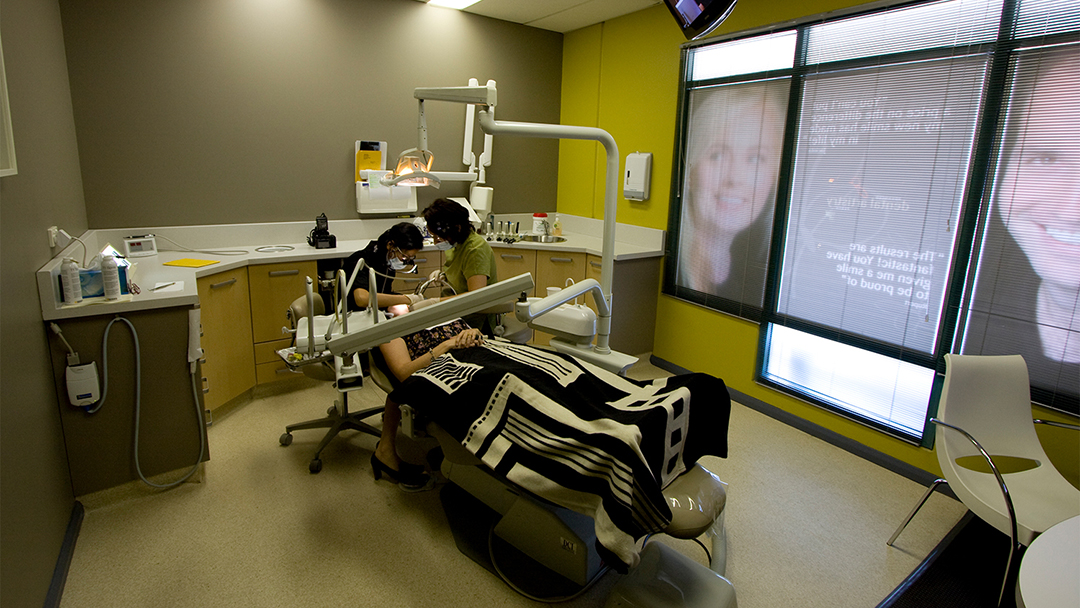
Got a broken tooth and wondering if it’s a dental emergency? You’re in the right place. In this post, we’ll clear up the confusion about when a broken tooth needs urgent attention. We’ll start by identifying what really counts as a dental emergency. Next, we’ll guide you through the immediate actions and first aid for broken teeth, crucial for those first few moments. Understanding the extent and nature of tooth damage is key, as not all tooth issues are created equal. We’ll also look into your dental care and treatment options and when it’s time to seek professional dental assistance. Plus, we’ll cover preventive measures and long-term oral health to keep your smile in top shape. By the end, you’ll know exactly when to act and how to prevent future dental problems. Let’s get to it! Is A Broken Tooth A Dental Emergency? A broken tooth can indeed be a dental emergency. When you crack or chip a tooth, it’s not just about the immediate discomfort or the appearance; it’s about preventing further damage that could lead to more serious dental issues. The severity of the break largely determines whether you need to rush to the dentist. A minor chip might not cause much pain and could wait for a regular appointment. However, if the break has left sharp edges or if there’s pain or bleeding, it’s time to call your dentist right away. In cases where a large piece of tooth has broken off or if the tooth is knocked out entirely, seeking immediate dental care is crucial. These situations can lead to infection or more extensive...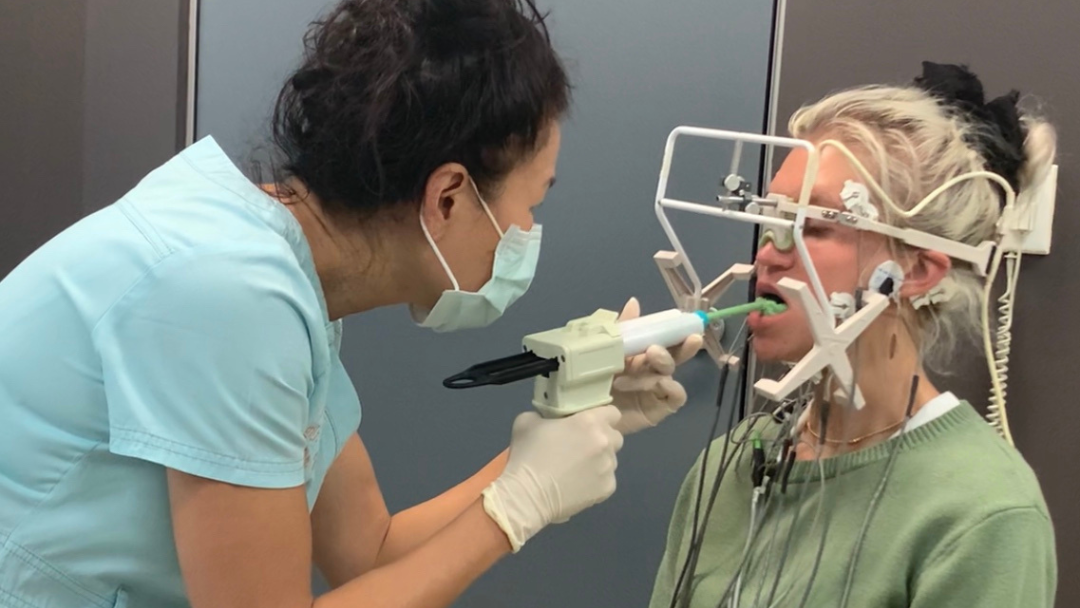
Narrow Smile Vs Wide Smile
Ever wondered about the difference between narrow and wide smiles? In this post, we’re diving into just that. It’s all about understanding the role of dental anatomy in shaping your smile. We’ll explore common dental and orthodontic issues that influence whether your smile is more on the narrow side or strikingly wide. We’re also covering the latest treatment options and procedures available to address these concerns. This includes a peek at specific dental and orthodontic solutions designed to enhance and transform your smile. Plus, we’ll discuss how orthodontists manage space in your mouth, a crucial factor in perfecting your smile. By the end of this article, you’ll have a clear idea of how to achieve the smile you desire, ensuring it not only looks great but feels right for you. Narrow Smile Vs Wide Smile: What Are The Differences? When we talk about a beautiful smile, it’s often the shape and spread that catch our eye. Smile shapes can vary significantly; a narrow-looking smile typically shows less of your teeth and can give a tight smile look, whereas a wide smile or broader smile reveals more teeth and can often be seen as more engaging or friendly. People with a broad smile often show their upper teeth more prominently, which can contribute to a youthful or healthy smile. On the other hand, a very narrow smile sometimes called a gummy smile, might expose more gum than teeth, leading to an aged appearance. It’s not just about looks, though. The type of smile you have can also affect your oral health and the way you speak or eat. Understanding...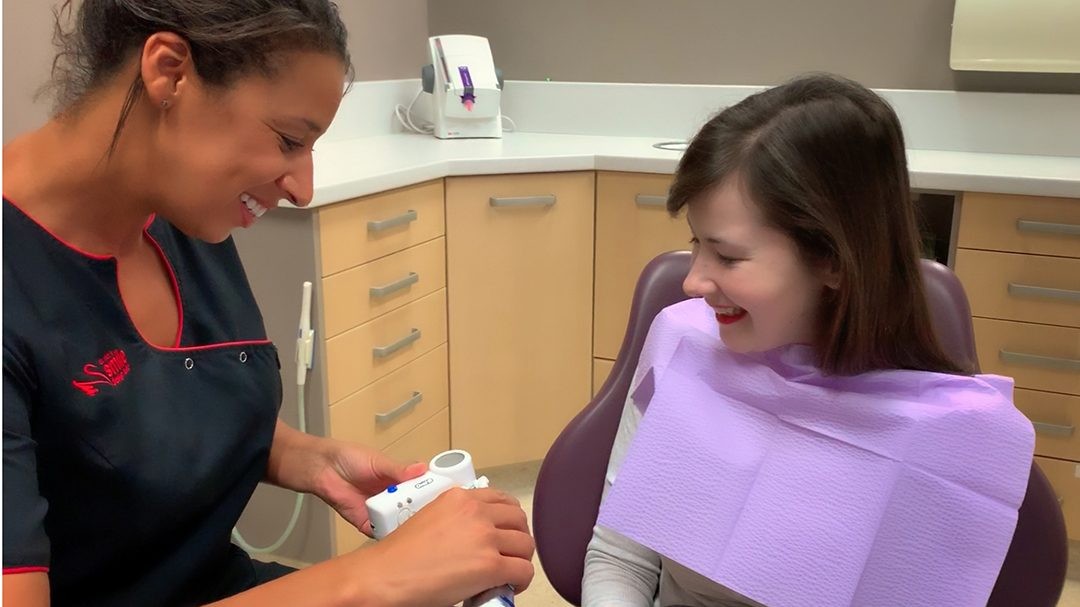
Full Mouth Vs Individual Dental Implants Pros And Cons
When it comes to dental implants, with modern dentistry there are a wide range of options available. One of the biggest decisions that people have to make is whether to opt for full mouth or individual dental implants. Both treatments offer their own distinct advantages and disadvantages, so deciding which one is right for you can be a difficult decision. In this article, we will discuss the pros and cons of each option in detail so that you can make an informed choice about what’s best for your needs. First up is full mouth dental implants. This involves having several teeth replaced at once with artificial ones crafted from titanium rods inserted into the jawbone by a dentist. They look and feel like natural teeth and they provide more stability than traditional dentures or bridges. On the downside, full mouth implants require major surgery and they tend to cost significantly more than other implant procedures. Individual dental implants also involve inserting titanium rods into the jawbone but these are only used when replacing just one or two teeth rather than an entire set as with full mouth implants. The benefit here is that costs are typically lower since fewer materials need to be purchased and less time spent on planning and installation. However, individual implants may not be suitable if multiple adjacent teeth need to be replaced due to potential instability issues. Procedure For Full Mouth Vs Individual Implants When it comes to dental implant procedures, the full mouth approach is quite different from traditional individual implants. With a full mouth procedure, an entire arch of teeth – up...
Transform Your Smile: Discover the Best Dental Options to Fix Bad Teeth and Reclaim Your Confidence
I Have Really Bad Teeth What Are My Options Discover the best dental options that can fix your teeth, transform your smile, and give you your confidence back. From dental implants for missing teeth to porcelain veneers for instant enhancement, there are plenty of solutions available that can be tailor made to suit your individual conditions. With procedures like teeth whitening, dental bonding, and Invisalign, you can achieve a brighter, straighter, and more beautiful smile. Say goodbye to chipped teeth and tooth decay and hello to a perfect smile that you’ll be proud to show off! Dental Implants: A Permanent Solution for Missing Teeth Discover the best dental options for fixing bad teeth and reclaiming your confidence with dental implants, a permanent solution for missing teeth. Dental implants are a popular option for patients who want to replace one or more missing teeth. Unlike other treatment options, such as dentures or bridges, dental implants provide a long-lasting and natural-looking solution. The implant itself is a small titanium post that’s surgically inserted into the jawbone, acting as a replacement for the tooth root. This provides a stable foundation for the crown, which is attached to the implant and looks and functions like a natural tooth. Dental implants not only restore the appearance of your smile but also prevent bone loss and preserve the health of adjacent teeth. With dental implants, you can enjoy a confident and beautiful smile for years to come. Porcelain Veneers: Instantly Enhance the Appearance of Your Teeth Transform your smile and instantly enhance the appearance of your teeth with porcelain veneers. If you’re looking...
Dr Vicky Ho will answer any questions you may have about your dental health and care.
Financing Options

Associations & Accreditations

Our Reviews
