
Smile Design
Planning Your Cosmetic Dental Treatment
Considering cosmetic dental treatment can involve many questions. You may be thinking about tooth colour, shape, spacing, alignment, wear or existing dental work. Every person’s oral health, facial features, bite and treatment goals are different. Before recommending treatment, we take time to understand your concerns, examine your teeth and gums, and discuss the options that may be appropriate for you.
We use clinical photographs, digital planning tools and other records where relevant to assist with planning. These tools help us discuss the proposed treatment, including what may be achievable, as well as the benefits, risks, costs, alternatives and expected treatment process.
1. Discussing your goals
Your consultation is an opportunity to discuss what you would like to change and what matters to you. You are welcome to bring reference images to help communicate your preferences. Some people arrive with a clear idea of their goals; others want guidance on the options available. Both are a useful starting point. We will explain the treatments that may be relevant to your individual circumstances.
2. Treatment planning
Treatment planning considers your oral health, tooth structure, gums, bite, facial proportions and preferences. We may discuss factors such as tooth colour, shape, length, texture and translucency where relevant.
The purpose of planning is to develop an individual treatment approach—not to apply the same design to every person. If a requested treatment is not clinically appropriate, we will explain why and discuss alternatives.
3. Diagnostic mock-ups
In suitable cases, a diagnostic mock-up may be made using models or digital records of your teeth. This is a planning tool that can help us discuss proposed changes before treatment begins. A mock-up may be adjusted as the treatment plan develops. It is not a guarantee of a final clinical outcome.
4. Trial restorations
For some treatment plans, temporary restorations or a trial design may be used before final restorations are made. This allows the dentist and patient to review aspects of the proposed treatment, such as tooth shape, length and bite.
Any changes are considered alongside clinical requirements, including function, oral health and the condition of the teeth and gums.
5. Final restorations
If porcelain veneers, crowns or other restorations are included in your treatment plan, they are custom made after planning and any required preparation. They are then fitted and assessed before being bonded or cemented.
Like all dental treatment, cosmetic and restorative treatment has limitations and risks. Ongoing care, oral hygiene and regular dental reviews are important. We will discuss the care requirements relevant to your treatment plan.
Ask the Dentist
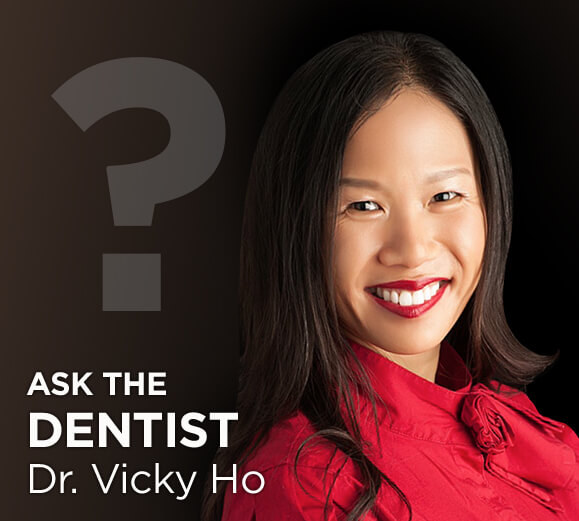
Dr Vicky Ho will answer any questions you may have about your dental health and care.