All-on-4 treatment is one approach to replacing all the teeth in the upper or lower jaw with a fixed implant-supported dental prosthesis.
The treatment generally uses four strategically positioned dental implants to support one full-arch restoration. It may be considered for selected patients who have lost all their teeth or whose remaining teeth have a poor prognosis.
All-on-4 treatment involves surgery, substantial fees and an ongoing commitment to daily cleaning and professional maintenance. It is not suitable for everyone, and four implants are not necessarily the most appropriate number for every jaw.
An individual clinical and radiographic assessment is required before any full-arch implant treatment can be recommended.
What are All-on-4 dental implants?
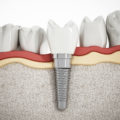
The All-on-4 treatment concept typically uses four implants to support a full arch of replacement teeth.
In a commonly used arrangement:
- Two implants are positioned toward the front of the jaw
- Two implants are positioned further back and may be angled
- A full-arch prosthesis is attached to the implants
The prosthesis may replace approximately 10–14 visible teeth, depending on the design. These are replacement teeth within one prosthesis—not additional dental implants.
All-on-4 treatment may be used in either the upper or lower jaw. The appropriate implant number, position and design depend on the patient’s anatomy, bone, bite and proposed restoration.
“All-on-4” is a registered treatment concept associated with Nobel Biocare. Similar four-implant full-arch approaches may be described using other terms.
Who may be considered for All-on-4 treatment?
Full-arch implant treatment may be considered for an adult who:
- Has lost all teeth in one or both jaws
- Uses complete dentures and wishes to discuss a fixed alternative
- Has multiple teeth with a poor or uncertain prognosis
- Has sufficient bone in appropriate positions
- Is medically able to undergo implant surgery
- Can maintain the prosthesis and implants
- Understands the risks, limitations and future costs
- Has realistic treatment expectations
The presence of damaged or heavily restored teeth does not automatically mean they should be extracted. The prognosis of each remaining tooth and the alternatives to extraction should be considered before irreversible treatment proceeds.
Who may not be suitable?
Factors that can affect suitability or increase treatment risks include:
- Active gum disease
- Poorly controlled diabetes
- Smoking
- Certain medications affecting bone metabolism
- Previous radiation therapy involving the jaws
- Conditions affecting immunity or healing
- Insufficient bone or unfavourable anatomy
- Severe clenching or grinding
- Difficulty maintaining oral hygiene
- Unrealistic expectations
- Inability to attend ongoing maintenance appointments
Having one of these factors does not necessarily exclude treatment. Its significance must be assessed individually, and medical consultation may sometimes be required.
Does All-on-4 avoid bone grafting?
Angled posterior implants may allow the practitioner to use available bone and avoid or reduce the need for grafting in selected cases. However, All-on-4 treatment cannot be described as universally “graft-free.”
Depending on the anatomy and proposed restoration, treatment may still involve:
- Bone grafting
- Removal or reshaping of bone
- Gum procedures
- Sinus-related procedures
- Extraction of remaining teeth
- A different number or position of implants
Three-dimensional imaging is commonly required to evaluate the bone and nearby anatomical structures.
Can replacement teeth be fitted on the day of surgery?
Some patients may be suitable for immediate loading. This means a provisional full-arch prosthesis may be attached on the day of surgery or shortly afterwards.
Immediate loading depends on factors including:
- Implant stability at placement
- Bone quality and quantity
- Implant position
- The patient’s bite
- The design of the provisional prosthesis
- General health and healing factors
Immediate provisional teeth cannot be guaranteed before surgery. If the implants do not achieve the required stability, the practitioner may recommend a period of healing before a fixed prosthesis is attached.
The restoration fitted shortly after surgery is generally provisional. It is designed for the healing phase and is not necessarily the final prosthesis.
What happens during treatment?
Treatment varies, but the process may include the following stages.
-
Consultation and assessment
The practitioner discusses your concerns, health, treatment preferences and previous dental experiences.
-
Diagnostic records
Records may include:
- Dental and medical history
- Examination of the teeth and gums
- Dental photographs
- Digital scans or impressions
- Dental X-rays
- Cone beam CT imaging
- Assessment of the bite and available space
-
Treatment planning
The practitioner considers implant positions, the proposed prosthesis, whether teeth require extraction and whether additional procedures may be needed.
A digital plan or simulation assists with treatment planning but does not guarantee the surgical or restorative outcome.
-
Implant surgery
Remaining teeth may be removed where clinically indicated. The implants are then placed into the jawbone.
Sedation or general anaesthesia may be available in selected settings. These involve separate risks and require assessment by appropriately qualified practitioners.
-
Provisional restoration
Where immediate loading is appropriate, a provisional fixed prosthesis may be attached. Otherwise, a removable provisional restoration or another healing arrangement may be used.
-
Healing
The bone and soft tissues are allowed time to heal. Reviews and adjustments may be required during this period.
A modified or soft diet is commonly recommended to reduce excessive forces on the healing implants and provisional restoration.
-
Definitive prosthesis
After an appropriate healing and assessment period, new records may be taken for the definitive prosthesis.
The timing and materials vary according to the treatment plan.
Potential benefits of All-on-4 treatment
Depending on the patient and clinical outcome, possible benefits may include:
- A fixed rather than removable full-arch prosthesis
- Replacement of a complete arch using four implants
- Use of angled implants to access available posterior bone
- Reduced palatal coverage compared with some upper dentures
- Changes in denture stability, chewing or speech
- The possibility of a provisional fixed restoration soon after surgery
- A prosthesis that can be removed by a dental practitioner for maintenance
These benefits are not experienced equally by every patient. Adaptation, function and satisfaction vary, and no particular result can be guaranteed.
What are the surgical risks?
Dental implant placement is a surgical procedure. Possible complications include:
- Pain, swelling and bruising
- Bleeding
- Infection
- Delayed healing
- Failure of an implant to integrate
- Gum or bone loss around an implant
- Damage to nearby teeth or restorations
- Altered sensation or nerve injury
- Sinus or nasal complications
- Unfavourable gum changes
- Implant malposition
- The need for additional surgery
- Removal or replacement of an implant
The risks vary between the upper and lower jaws and according to individual anatomy and health.
What can happen if one implant fails?
Because a full-arch prosthesis is supported by a limited number of implants, the loss of one implant may affect the stability or design of the entire restoration.
Management may involve:
- Removing or modifying the prosthesis
- Allowing the area to heal
- Replacing the implant
- Placing an additional implant
- Redesigning or remaking the prosthesis
- Using a temporary removable restoration
Additional surgery and costs may be involved.
What are the restorative and mechanical risks?
The prosthesis and its components can also develop complications, including:
- Chipping or fracture of replacement teeth
- Fracture of the provisional prosthesis
- Wear of the biting surfaces
- Loosening or fracture of screws
- Fracture of the framework
- Changes in the bite
- Food trapping beneath the prosthesis
- Speech or adaptation difficulties
- Aesthetic changes
- The need for repair, adjustment or replacement
A fixed restoration does not mean that it will remain maintenance-free or complication-free.
Can you eat normally after treatment?
Patients are commonly instructed to follow a modified or soft diet during early healing. Biting hard or chewy foods too soon may overload the implants or damage the provisional prosthesis.
The treating practitioner should provide individual instructions about:
- Suitable foods
- Chewing limitations
- When the diet can be changed
- Cleaning after meals
- What to do if the prosthesis feels loose or fractures
After healing, food choices may still need to be modified. Hard foods, ice, bones, seeds and non-food objects can damage natural teeth and implant-supported restorations.
It is not appropriate to guarantee that a patient will be able to eat every type of food after treatment.
Does All-on-4 prevent bone loss?
Dental implants transfer forces to the surrounding bone, but they do not guarantee that bone levels will remain unchanged.
Bone remodelling occurs after implant placement. Further bone loss can develop because of:
- Peri-implant disease
- Smoking
- Unfavourable loading
- Poor oral hygiene
- General health factors
- Implant position
- Prosthetic design
- Other biological factors
The jaw may also continue to change in areas not directly supporting an implant.
Regular monitoring is required to assess the bone and tissues around the implants.
How do you clean All-on-4 teeth?
Full-arch implant restorations require daily cleaning above and beneath the prosthesis.
Your dental team may recommend:
- An electric or manual toothbrush
- Interdental brushes
- Implant-specific floss or threaders
- Cleaning aids for beneath the bridge
- A water irrigator as an additional aid
- Professionally recommended cleaning products
A water irrigator does not necessarily replace mechanical plaque removal.
The prosthesis may need to be professionally removed periodically, depending on its design and the practitioner’s assessment. The implants, screws, framework and surrounding tissues should also be reviewed.
Patients with limited hand dexterity or vision may require adapted cleaning aids or assistance from a carer.
What is peri-implant disease?
Plaque can cause inflammation around dental implants.
Peri-implant mucositis affects the soft tissues and may be reversible when identified and managed. Peri-implantitis involves inflammation and progressive loss of supporting bone.
Possible signs include:
- Bleeding during cleaning
- Swollen or tender gums
- Persistent unpleasant taste
- Discharge
- Increasing food trapping
- A change in the fit or stability of the prosthesis
Peri-implant disease can threaten the implants and may require ongoing treatment.
How long does All-on-4 treatment last?
There is no guaranteed lifespan for the implants or prosthesis.
Longevity may be influenced by:
- General health
- Smoking
- Gum and bone health
- Oral hygiene
- Implant position and stability
- Bite forces
- Clenching or grinding
- Prosthetic materials
- Maintenance attendance
- Accidental damage
Even when the implants remain integrated, the prosthesis, teeth, screws or other components may require adjustment, repair or replacement.
Future maintenance costs should be considered when comparing treatment options.
What does All-on-4 cost in Perth?
Fees vary according to:
- Whether one or both jaws are treated
- The number of implants
- Required extractions
- Bone or gum procedures
- Imaging and surgical planning
- Sedation or anaesthesia
- The provisional restoration
- The definitive prosthesis and materials
- Laboratory costs
- Review and maintenance arrangements
Request an itemised treatment plan specifying what is included and what may incur additional fees.
Ask whether the quotation includes:
- Diagnostic imaging
- Extractions
- Surgery
- Anaesthesia or sedation
- The provisional restoration
- The definitive restoration
- Additional implants if required
- Repairs during healing
- Maintenance appointments
- Management of complications
Alternatives to All-on-4 treatment
All-on-4 treatment is not the only option for managing extensive tooth loss.
Alternatives may include:
- Retaining and restoring suitable natural teeth
- A conventional complete denture
- An implant-retained removable overdenture
- A fixed full-arch prosthesis supported by a different number of implants
- Staged implant treatment
- Bone grafting followed by implant placement
- A removable interim restoration
- No treatment in selected circumstances
Each approach has different surgical requirements, risks, fees, maintenance needs and effects on remaining tooth structure.
An implant-retained removable denture may be easier for some patients to clean and repair. A fixed restoration may be preferred by others but requires sufficient access and ability to clean beneath it.
Questions to ask before proceeding
Before consenting to full-arch implant treatment, consider asking:
- Can any of my natural teeth reasonably be retained?
- Why are four implants recommended for my jaw?
- Would a different number of implants be appropriate?
- Will I require bone grafting or bone reduction?
- Am I suitable for immediate loading?
- What happens if immediate loading is not possible?
- Is the first restoration provisional or definitive?
- What risks apply to my anatomy and health?
- What happens if one implant fails?
- How will I clean beneath the restoration?
- What maintenance will be required?
- What future repairs and costs should I anticipate?
- What alternatives are available?
- Who will perform each stage of treatment?
- Would a second opinion be appropriate?
You should receive sufficient information and time to make a considered decision.
Discuss full-arch dental implants in Perth
To discuss All-on-4 treatment and other full-arch tooth-replacement options, contact Smile Design Studio in Mosman Park, Perth, on (08) 9468 3322 or request a consultation online.
A comprehensive clinical and radiographic assessment is required before treatment can be recommended.
Important information
This article provides general information only and does not replace individual dental or medical advice.
All-on-4 treatment involves surgery. Suitability, treatment stages, fees, healing, risks, maintenance and outcomes vary between patients. Immediate provisional teeth, avoidance of grafting, implant integration and any particular functional or aesthetic result cannot be guaranteed.
Implants and their restorations may require maintenance, repair, replacement or removal. Consider obtaining a second opinion from an appropriately qualified health practitioner before proceeding with extensive or irreversible treatment.
All-on-4® is a registered trademark of Nobel Biocare Services AG.