A new year can be a time when people review their health, habits and personal goals. For some, this includes considering whether they would like to change something about the appearance of their teeth.
Cosmetic dental treatment is elective and is not necessary for everyone. Healthy teeth naturally vary in colour, shape, size and alignment. If you are considering treatment, the first step should be understanding your oral health, the available options and the risks, limitations and maintenance associated with each one.
At Smile Design Studio in Mosman Park, Perth, recommendations begin with an individual assessment rather than assuming cosmetic treatment is suitable or required.
Start with oral health
Before cosmetic treatment is considered, a dentist should examine your teeth, gums, bite and existing restorations.
Concerns that may need to be addressed first include:
- Tooth decay
- Gum inflammation or gum disease
- Cracked or weakened teeth
- Significant tooth wear
- An unstable bite
- Jaw discomfort
- Failing fillings, crowns or other restorations
- Inadequate oral hygiene
Treating an underlying dental condition may change which cosmetic options are appropriate. In some cases, no treatment or monitoring may be a reasonable choice.
What happens during a cosmetic dental consultation?
A consultation may include:
- Discussion of what concerns you about your teeth
- Review of your medical and dental history
- Examination of your teeth, gums and bite
- Dental photographs
- X-rays or scans when clinically indicated
- Discussion of suitable options and alternatives
- Explanation of the likely treatment sequence
- Information about risks, limitations and maintenance
- An itemised quotation
A consultation does not obligate you to proceed. You should have enough information and time to consider elective treatment, ask questions or seek a second opinion.
Teeth whitening
Professional teeth whitening uses a peroxide-based bleaching agent to lighten the appearance of natural teeth.
It may reduce some discolouration associated with food, drinks, tobacco use or ageing. However, the response depends on the cause and depth of the staining.
Professional options may include:
- In-chair whitening at the dental practice
- Take-home whitening with custom trays and prescribed gel
- A combination of in-chair and take-home treatment
Whitening does not change the colour of crowns, veneers, fillings, composite bonding or implant restorations. These may appear different from the whitened natural teeth.
Possible side effects include tooth sensitivity, gum irritation, chemical burns and uneven colour. No particular shade or duration of result can be guaranteed.
Alternatives may include professional cleaning, accepting the existing tooth colour or investigating the cause of discolouration where further assessment is indicated.
Clear aligners and orthodontic treatment
Clear aligners such as Invisalign are removable orthodontic appliances used in sequence to move teeth gradually.
They may be considered when a person’s concern relates to tooth position or aspects of the bite. Treatment commonly requires aligners to be worn for approximately 20 to 22 hours each day, although individual instructions vary.
Clear-aligner treatment may also involve:
- Tooth-coloured attachments bonded to selected teeth
- Orthodontic elastics
- Interproximal enamel reduction in some cases
- Regular progress reviews
- Additional or refinement aligners
- Retainers after treatment
Clear aligners are less noticeable than conventional metal braces, but they are not invisible. They are also not automatically faster, more comfortable or suitable for every orthodontic concern.
Possible risks include discomfort, gum irritation, tooth decay, gum problems, root changes, incomplete tooth movement and changes to the bite. Teeth may move again if retainers are not worn as directed.
Alternatives may include fixed braces, another orthodontic appliance, specialist orthodontic assessment or no treatment.
Porcelain veneers
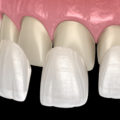
Porcelain veneers are thin ceramic restorations bonded to the front surfaces of selected teeth.
Depending on the circumstances, veneers may be considered for concerns involving:
- Tooth colour
- Tooth shape or proportion
- Worn tooth surfaces
- Small chips
- Minor spacing
- Selected alignment concerns
Veneers change the visible appearance of teeth but do not physically straighten or move them. Orthodontic treatment may be a more conservative option when tooth position is the primary concern.
Treatment may involve planning, a diagnostic mock-up, tooth preparation, digital scans or impressions, temporary restorations and a later bonding appointment. The number of visits depends on the individual treatment plan.
Some natural tooth structure may need to be removed. Once a tooth has been prepared, the process is generally irreversible, and the tooth is likely to require an ongoing restoration.
Possible complications include:
- Tooth sensitivity
- Gum irritation or recession
- Chipping or fracture
- Debonding
- Colour or shape differences
- Changes to the bite
- Decay around the restoration
- The possible need for root canal treatment
- Future repair or replacement
Veneers have a limited lifespan and do not guarantee a particular appearance. Alternatives may include whitening, orthodontic treatment, composite bonding, monitoring or accepting the teeth as they are.
Composite bonding
Composite bonding involves applying tooth-coloured resin to selected areas of a tooth.
Depending on the situation, it may be considered for:
- Repairing a small chip
- Changing part of a tooth’s shape
- Closing a minor space
- Masking selected surface discolouration
- Adding material to a worn area
Bonding can sometimes be completed in one appointment and may require little or no tooth preparation. This varies, and it should not automatically be described as reversible.
Composite resin can stain, chip, wear or detach. It may require ongoing polishing, repair or replacement. It is generally less stain-resistant than porcelain, although it may involve less tooth preparation in selected cases.
Alternatives may include monitoring, orthodontic treatment, whitening, a veneer or another restorative procedure.
Can several treatments be combined?
A treatment plan involving more than one cosmetic or restorative procedure is sometimes described as a “smile makeover.”
Depending on the person’s oral health and concerns, a plan might involve:
- Orthodontic treatment before whitening
- Whitening before colour-matched restorations
- Composite bonding after tooth alignment
- Replacement of an unsuitable or failing restoration
- Veneers on selected teeth
More treatment is not necessarily better. Planning should aim to preserve healthy tooth structure where possible and include only procedures that are clinically appropriate and accepted by the patient.
Digital simulations and trial mock-ups can assist with communication, but they do not guarantee that the final appearance will be identical.
Treatment time varies
Cosmetic dental treatment is not always completed in one or two visits.
Approximate treatment requirements can vary considerably:
- Whitening may involve one in-chair appointment or several days or weeks of take-home use.
- Composite bonding may sometimes be completed in one visit.
- Porcelain veneers generally require planning and more than one treatment appointment.
- Clear-aligner treatment commonly takes several months or longer.
- Additional treatment may be required before cosmetic work begins.
Timelines depend on oral health, treatment complexity, healing, laboratory requirements and how the teeth respond. An individual estimate should be provided after assessment.
Cosmetic treatment and emotional wellbeing
Some people choose cosmetic dental treatment because they have personal preferences about their appearance. However, dental treatment cannot guarantee greater happiness, confidence, social success or improved mental health.
It is important that treatment decisions are based on your own informed preferences rather than pressure from advertising, social media trends or other people.
If concern about your appearance is causing significant distress or affecting daily life, it may be appropriate to discuss this with a suitably qualified health practitioner before proceeding with irreversible elective treatment.
Questions to ask before deciding
Before agreeing to cosmetic dental treatment, consider asking:
- Is treatment clinically appropriate for me?
- What happens if I choose no treatment?
- Are there more conservative alternatives?
- How much natural tooth structure may be removed?
- What are the risks in my circumstances?
- How long is treatment likely to take?
- What maintenance will be required?
- How long might the treatment last?
- What happens if a restoration chips, stains or fails?
- Are future repair and replacement costs included?
- Can I take time to consider the plan?
- Would a second opinion be appropriate?
Discuss your options in Perth
If you would like information about cosmetic dental options, contact Smile Design Studio in Mosman Park, Perth, on (08) 9468 3322 or request a consultation online.
An assessment can help identify whether treatment is appropriate and allow you to compare the potential benefits, risks, limitations, costs and alternatives.
Disclaimer: This information is general in nature and intended for adults. It is not dental advice or a substitute for consultation with a registered dental practitioner. Treatment suitability, risks, costs, recovery and outcomes vary between individuals. No particular aesthetic or emotional outcome can be guaranteed.
Invisalign is a registered trademark of Align Technology, Inc.