A “smile makeover” is a marketing term commonly used to describe a treatment plan involving one or more cosmetic, orthodontic or restorative dental procedures.
There is no standard smile makeover and no single appearance that every person should try to achieve. Healthy teeth naturally vary in color, shape, size and alignment.
If a person is considering changes to their teeth, treatment should begin with an individual assessment. The purpose is to understand the person’s oral health and preferences and determine whether treatment is appropriate—not to assume that cosmetic dental work is necessary.
What can a smile makeover involve?
Depending on the individual circumstances, a treatment plan may include:
- Professional teeth whitening
- Composite bonding
- Porcelain or composite veneers
- Clear aligners or fixed braces
- Dental crowns
- Replacement of missing teeth
- Gum treatment or contouring
- Repair or replacement of failing restorations
Some plans involve only one procedure. Others require several stages over a longer period.
More treatment is not necessarily better. The plan should aim to preserve healthy teeth and include only procedures that are clinically appropriate and accepted by the patient.
Step 1: Discussing your concerns and preferences
The planning process begins with a conversation about what, if anything, concerns you about your teeth.
This may include questions about:
- Tooth color
- Tooth shape or proportion
- Chips or worn edges
- Spaces between teeth
- Tooth position
- Missing teeth
- Existing restorations
- Gum appearance
- Previous dental experiences
You may bring reference photographs to help communicate an aesthetic preference. However, another person’s tooth shape, colour or proportions may not be achievable or appropriate for your teeth and facial features.
The goal should be clear communication rather than copying a particular smile.
Step 2: Examining your oral health
Before elective cosmetic treatment is recommended, a dentist should examine your teeth, gums, bite and existing dental work.
The assessment may consider:
- Tooth decay
- Gum inflammation or gum disease
- Cracked or weakened teeth
- Tooth wear
- Existing fillings, veneers and crowns
- Root canal-treated teeth
- Missing teeth
- Bone support
- Oral hygiene
- Grinding or clenching
- Tooth and jaw relationships
- Relevant medical conditions and medications
Depending on the proposed treatment, diagnostic records may include:
- Dental photographs
- X-rays
- Digital scans or impressions
- Bite records
- Study models
- Three-dimensional imaging when clinically indicated
A visual assessment alone may not provide enough information for a definitive treatment plan.
Step 3: Managing active dental conditions
Tooth decay, infection, gum disease and other active dental conditions may need to be managed before elective treatment begins.
This is important because underlying disease can affect:
- Treatment suitability
- Healing
- Restoration longevity
- Gum appearance
- Tooth sensitivity
- The stability of the planned result
Treating an oral-health concern may also change the proposed cosmetic plan. In some circumstances, restorative care or monitoring may be more appropriate than additional cosmetic treatment.
Step 4: Identifying the cause of the concern
Similar-looking concerns can have different causes.
For example:
- A dark tooth may be stained, previously injured or no longer vital.
- Short teeth may result from natural proportions, wear, gum position or tooth eruption.
- Crowding may involve tooth position, jaw size or tooth-size relationships.
- Visible gum display may relate to the gums, tooth position, lip movement or jaw proportions.
- Worn teeth may be associated with grinding, erosion, bite forces or a combination of factors.
Understanding the cause helps the dentist compare reasonable treatment options rather than simply covering the visible concern.
Step 5: Considering conservative alternatives
Before irreversible treatment is selected, more conservative options should be discussed where appropriate.
These may include:
- No treatment and monitoring
- Professional cleaning
- Teeth whitening
- Limited composite bonding
- Orthodontic treatment
- Repairing rather than replacing a restoration
- Treating fewer teeth
- Managing an underlying dental condition first
For example, orthodontic treatment may preserve more natural tooth structure than using veneers to disguise significantly misaligned teeth.
The option with the shortest treatment time is not automatically the most appropriate.
Step 6: Developing a treatment sequence
When several procedures are being considered, their order matters.
A possible sequence may involve:
- Treating decay, infection or gum disease
- Stabilizing oral hygiene
- Assessing tooth position and the bite
- Completing orthodontic treatment if indicated
- Whitening natural teeth before matching restorations
- Trialing proposed shapes with a mock-up
- Completing composite or ceramic restorations
- Reviewing the bite, speech, comfort and cleaning
- Establishing an ongoing maintenance plan
The sequence varies according to the diagnosis and selected procedures.
Step 7: Planning tooth shape and proportion
When changes to tooth shape are proposed, the dentist may consider:
- Existing tooth dimensions
- The amount of tooth visible when smiling
- Lip position and movement
- Gum margins
- Facial proportions
- Tooth symmetry
- The relationship between neighboring teeth
- Speech and lip support
- Bite contacts
- The amount of natural tooth structure available
Proportion-based systems and facial measurements may be used as planning references. However, no single mathematical ratio—including a “golden proportion” or Shimbashi measurement—defines the correct smile for every person.
These guides should not override oral health, function, natural variation or the patient’s informed preferences.
Step 8: Using digital designs and trial mock-ups
Planning tools may include:
- Digital smile simulations
- Diagnostic wax-ups
- Physical mock-ups
- Temporary restorations
- Shade guides
- Digital scans
- Dental photographs
A mock-up may allow a person to preview aspects of the proposed tooth length, shape or arrangement before definitive treatment.
These tools can improve communication, but they have limitations. A simulation or mock-up is not a guarantee that the final appearance will be identical.
The final result may be influenced by:
- Available tooth structure
- Material thickness
- Gum response
- Tooth position
- Bite forces
- Laboratory fabrication
- Healing
- Individual biological response
Step 9: Reviewing each proposed procedure
Each part of the treatment plan should be discussed separately.
Teeth whitening
Teeth whitening may lighten some types of discoloration in natural teeth.
It does not change the colour of veneers, crowns, fillings or composite bonding. Possible side effects include sensitivity, gum irritation, chemical burns and uneven colour.
No particular shade can be guaranteed.
Composite bonding
Composite resin may be added to selected tooth surfaces to repair a small chip, close a minor space or change part of a tooth’s shape.
Composite may stain, chip, wear or detach and may require polishing, repair or replacement. It should not automatically be described as reversible.
Dental veneers
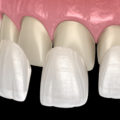
Dental veneers are restorations bonded to the front surfaces of teeth.
Porcelain veneers are usually made outside the mouth. Composite veneers are commonly applied directly to the teeth.
Some natural tooth structure may need to be removed. Where preparation occurs, treatment is generally irreversible, and the tooth is likely to require an ongoing restoration.
Orthodontic treatment
Clear aligners and fixed braces move teeth gradually. They may be considered when the primary concern relates to tooth position or aspects of the bite.
Treatment can involve attachments, brackets, wires, elastics, enamel reduction, regular reviews and retainers. Teeth may not move exactly as planned, and long-term retention is generally required.
Dental crowns
A crown covers most or all of the visible part of a tooth. It may be appropriate when a tooth is substantially damaged or weakened.
Crown preparation requires removal of tooth structure and is irreversible. A crown should not generally be recommended solely for appearance when a less invasive option is suitable.
Replacement of missing teeth
Options may include implants, bridges, dentures, orthodontic space closure or monitoring the space.
Dental implants involve surgery and are not suitable for everyone. They are not natural teeth or necessarily permanent and require ongoing maintenance.
Step 10: Understanding the risks and limitations
Depending on the treatment, risks may include:
- Tooth sensitivity
- Removal of healthy tooth structure
- Gum irritation or recession
- Chipping, staining, wear or fracture
- Colour differences
- Changes to the bite
- Tooth decay around restorations
- The possible need for root canal treatment
- Infection or delayed healing
- Implant complications
- Incomplete orthodontic movement
- Future repair or replacement
- An appearance that differs from expectations
The risks relevant to the individual patient should be explained before consent is obtained.
Step 11: Reviewing time and cost
A written treatment plan should provide an estimate of:
- The procedures proposed
- The teeth involved
- The treatment sequence
- Expected appointments
- Diagnostic and laboratory fees
- Temporary restorations
- Final treatment costs
- Review arrangements
- Maintenance requirements
- Foreseeable future expenses
There is no standard smile-makeover timeframe or cost. Treatment may range from one appointment to many months or longer.
Any estimate should be understood as a guide rather than a guarantee.
Step 12: Providing informed consent
Before treatment, you should receive clear verbal and written information about:
- What each procedure involves
- The intended outcome
- Reasonable alternatives
- The option of no treatment
- Material risks and complications
- Irreversible aspects of treatment
- Recovery or adaptation
- Maintenance requirements
- Initial and future costs
- Aftercare arrangements
You should have an opportunity to ask questions, take time to consider the plan and seek a second opinion.
Consent is an ongoing process. It can be revisited if the plan or circumstances change.
Step 13: Completing treatment and reviewing the result
After treatment, the dentist may assess:
- Bite contacts
- Tooth and restoration surfaces
- Gum response
- Cleaning access
- Speech
- Sensitivity or discomfort
- Retainer or protective-appliance requirements
Adjustments may sometimes be necessary. No dental procedure can guarantee that a person will have no adaptation period or future maintenance.
Step 14: Long-term maintenance
Cosmetic and restorative dental work has a limited lifespan.
Maintenance may include:
- Daily brushing with fluoride toothpaste
- Cleaning between the teeth
- Clinically appropriate dental reviews
- Professional cleaning
- Composite polishing or repair
- Retainer wear
- A protective appliance where indicated
- Repair or replacement of restorations
Natural teeth around restorations can still develop decay or gum disease. Veneers, crowns and implants do not remove the need for ongoing oral care.
Can a smile makeover improve confidence?
People may have personal reasons for considering cosmetic dental treatment. However, treatment cannot guarantee improved confidence, happiness, relationships, career success or mental wellbeing.
The decision should be based on the person’s own informed preferences rather than pressure from advertising, social media or other people.
If appearance concerns are causing significant distress or affecting daily life, discussion with an appropriate independent health practitioner may be advisable before irreversible treatment proceeds.
Questions to ask before proceeding
Consider asking:
- What have you diagnosed?
- Is each procedure clinically necessary or elective?
- What happens if I choose no treatment?
- Are there more conservative alternatives?
- How much natural tooth structure will be removed?
- Which parts of treatment are irreversible?
- What are the risks in my circumstances?
- What can and cannot be predicted?
- What maintenance will be required?
- What happens if a restoration fails?
- What are the initial and foreseeable future costs?
- Can I take time to consider the plan?
- Would a second opinion be appropriate?
Discuss smile-makeover planning in Perth
To discuss cosmetic or restorative dental options, contact Smile Design Studio in Mosman Park, Perth, on (08) 9468 3322 or request a consultation online.
An individual assessment and appropriate diagnostic records are required before treatment can be recommended.
Disclaimer: This information is general in nature and intended for adults. It is not dental advice or a substitute for an individual consultation with a registered dental practitioner. Treatment suitability, risks, costs, recovery, maintenance and outcomes vary. No particular appearance, restoration lifespan or psychological or social outcome can be guaranteed.